
Last updated November 2, 2026
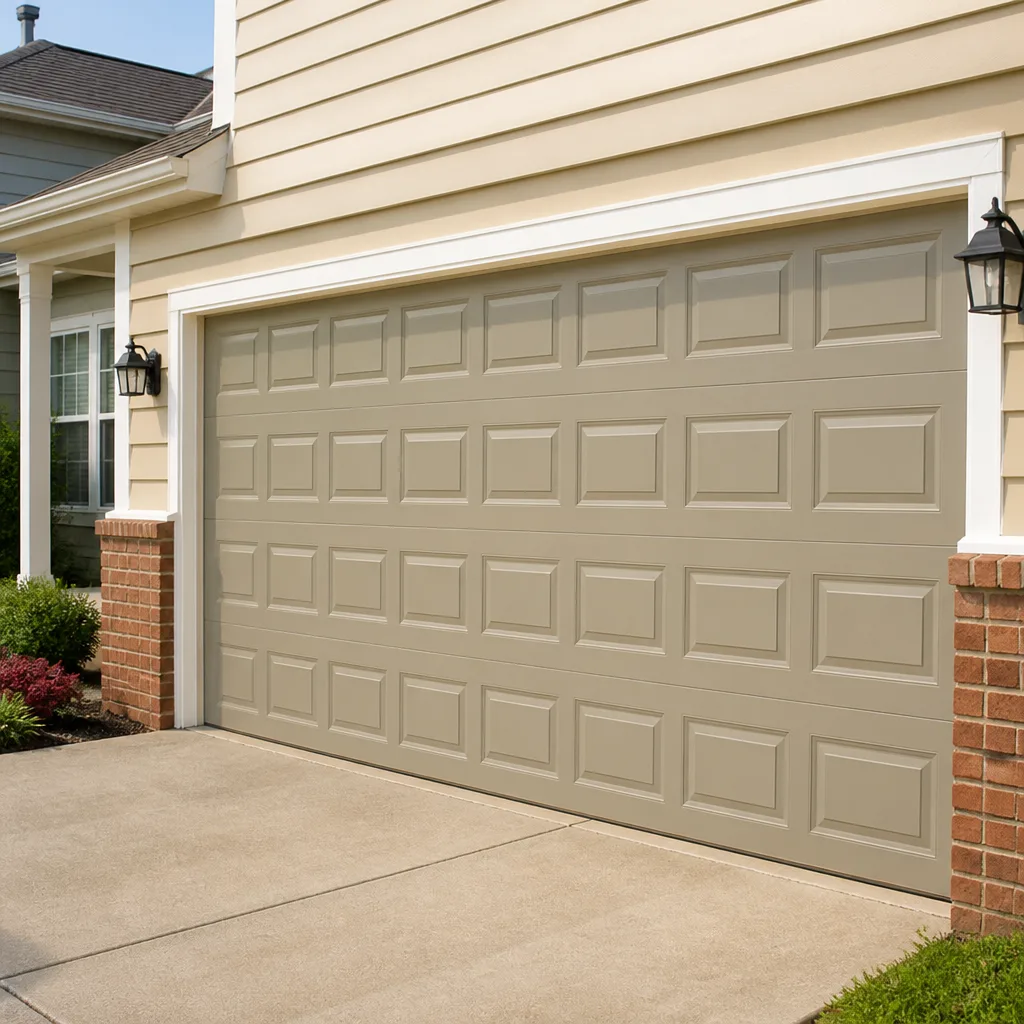 Raised-panel steel
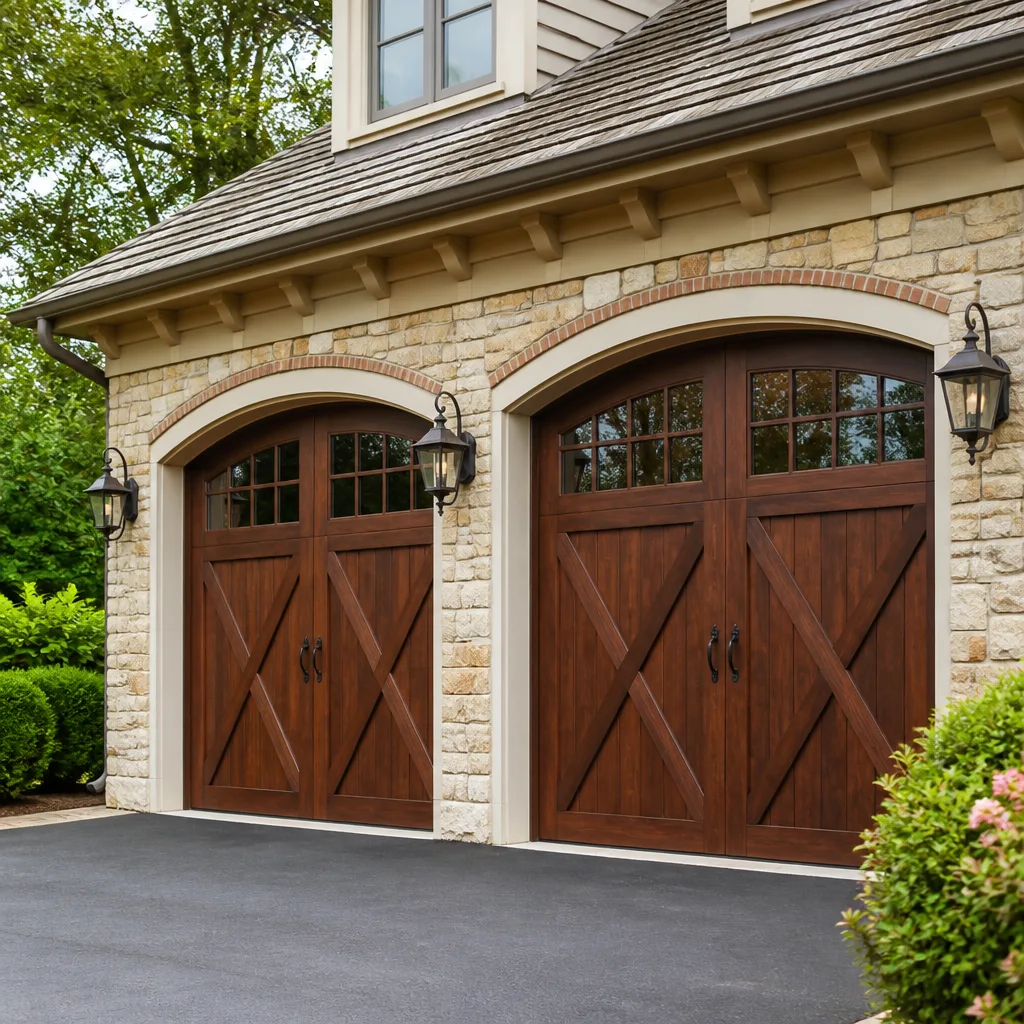 Carriage house
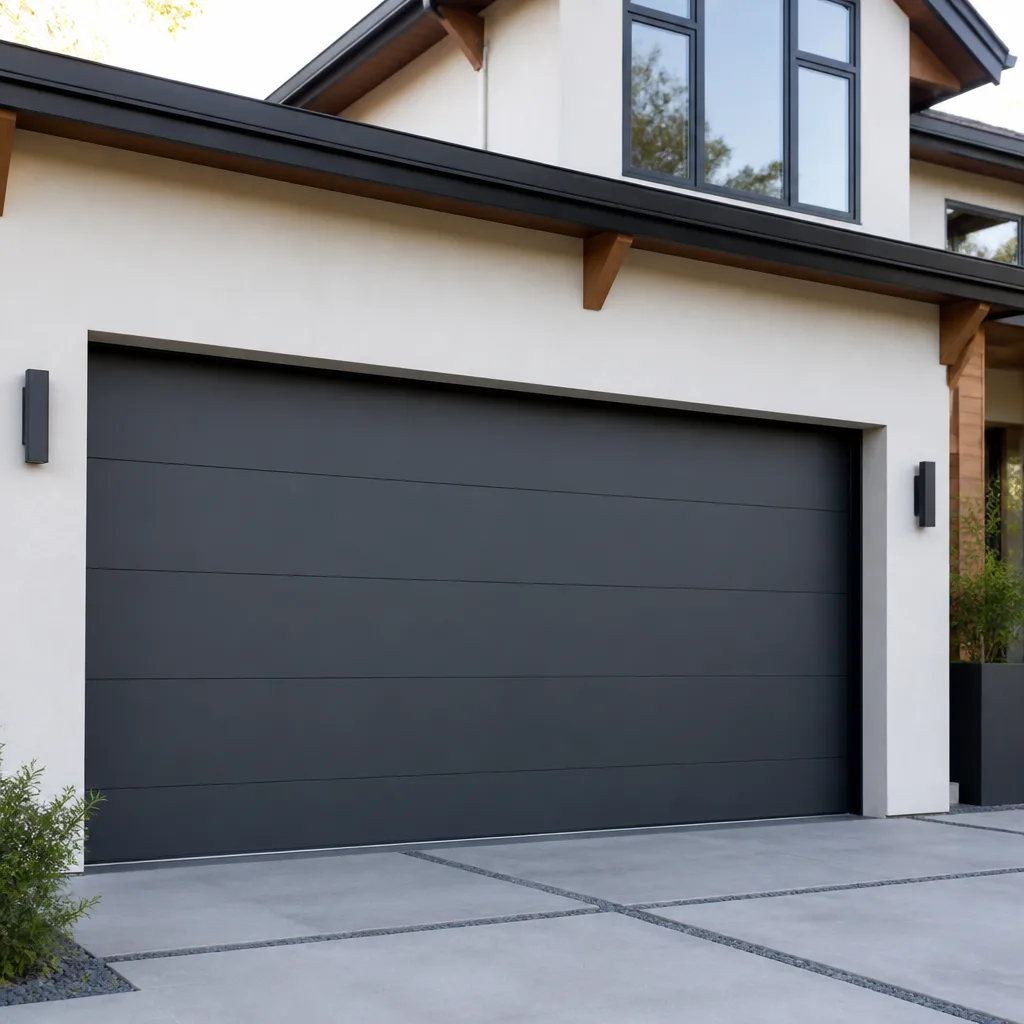 Modern flush
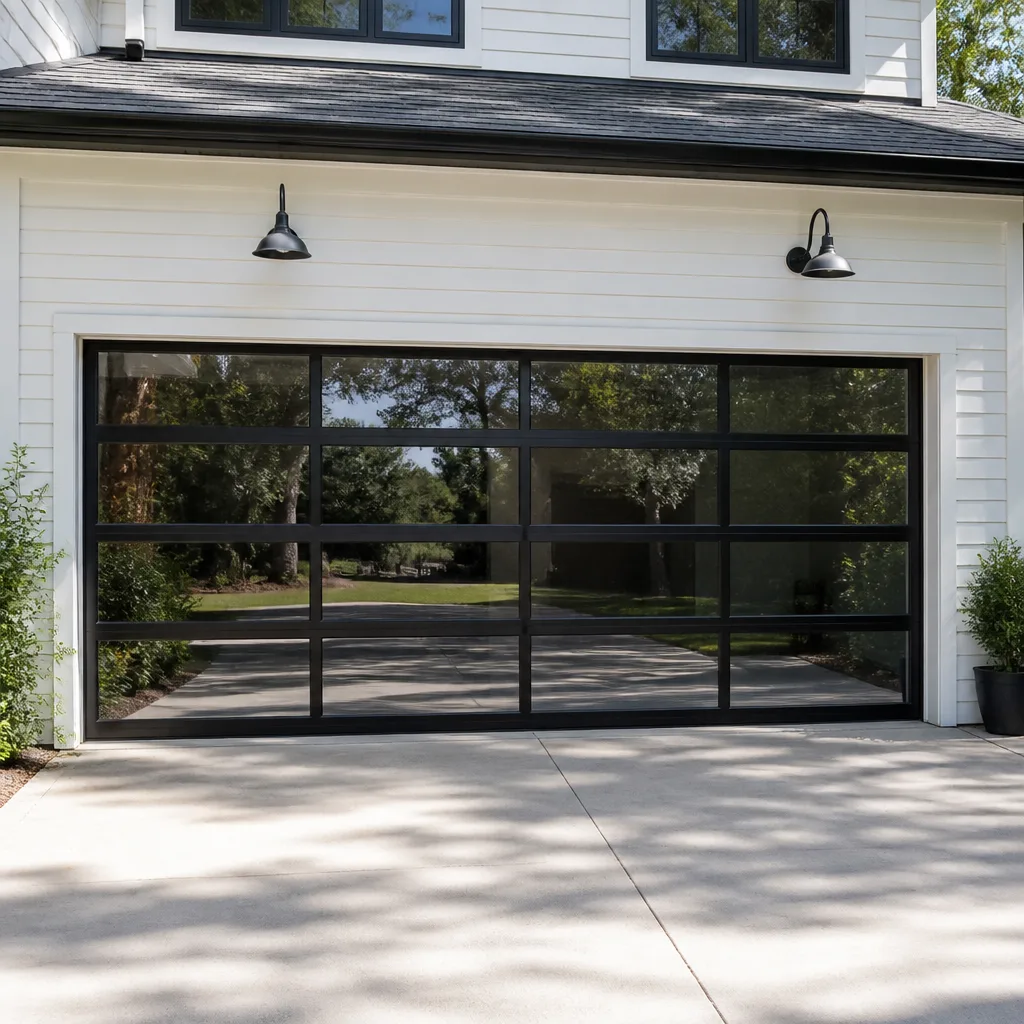 Full-view glass
 LiftMaster openers
 Chamberlain openers
Full 25-point door and opener safety check with every visit - springs, cables, rollers, tracks, and your LiftMaster or Chamberlain opener included
You get a price before we start. It does not change when the truck arrives.
Get your free estimateGarage Door Emergency Preparedness Guide for Fountain Valley Homes
When the power goes out and your car is trapped in the garage, there’s a red cord hanging from your opener that releases the door manually – but if your spring is broken, pulling that cord means you’re now holding a door that weighs 200 pounds with nothing but your hands. Knowing that before the emergency changes what you do next. Fountain Valley sits close enough to the Newport-Inglewood fault that every homeowner here should understand what their garage door does during an earthquake, a blackout, or a failed spring at 6 a.m. This guide gives you thirty minutes of preparation that could save you a broken wrist, a stranded morning, or a house left unsecured overnight.
Styles & brands we work with
- Raised-panel steel
- Carriage house
- Modern flush
- Full-view glass
- LiftMaster openers
- Chamberlain openers
Quick Answer
Garage door emergency preparedness for Fountain Valley homes comes down to five things: knowing how to operate your manual release safely, knowing whether your springs can actually hold the door’s weight, having a plan for power outages, knowing what to do after an earthquake shifts your door’s alignment, and having a repair service number saved before you need it. Thirty minutes of setup and a basic understanding of your door’s mechanism will cover 90% of the emergencies Fountain Valley homeowners actually face.
Table of Contents
- The Red Cord: What That Manual Release Actually Does
- The Spring Condition That Changes Everything
- Power Outages in Fountain Valley: Stuck Car, Closed Door, Now What?
- Earthquake Preparedness: Fountain Valley and the Newport-Inglewood Fault
- Battery Backup Openers: Are They Worth It for Fountain Valley Homes?
- When the Door Won’t Close: Temporary Security Measures
- The 9 p.m. Emergency Call: What to Have Ready
- Common Mistakes to Avoid
- When to Call a Professional
- Frequently Asked Questions
- The Bottom Line
The Red Cord: What That Manual Release Actually Does
Every garage door opener has a manual release mechanism. You’ve seen it – a red plastic handle hanging from a rope or cord attached to the trolley that connects your door to the opener’s rail. Pulling that cord disengages the trolley from the opener carriage, which lets you move the door by hand. That’s the entire function. It doesn’t unlock anything, it doesn’t reset anything, and it doesn’t fix anything. It simply separates the door from the motor.
The manual release exists for one primary reason: to let you open or close your door when the opener has no power or has failed. It’s a mechanical bypass, not a repair. In Fountain Valley, where rolling blackouts during Santa Ana wind events and heatwaves are a real occurrence, knowing how to use this cord before the lights go out is the difference between a minor inconvenience and a genuinely dangerous situation.
Here’s how it works when everything is functioning normally:
- Make sure the door is in the fully closed position before you pull the cord. Pulling the release while the door is open is how doors slam down and break panels, bend tracks, or worse.
- Pull the red cord straight down and slightly toward the door. You’ll hear a click as the trolley disengages from the carriage.
- Lift the door by its handle or bottom edge. It should move smoothly with moderate effort. If you’re straining, stop immediately – this means your springs are not doing their job, and you’re holding the full weight of the door yourself.
- To re-engage the opener, pull the cord again toward the opener while pressing the wall button or remote. The trolley will reconnect on the next cycle.
One detail most guides skip: the manual release cord is also how you secure your door during an extended power outage. Once you’ve opened the door manually and closed it again, you can slide the manual lock bar (most doors have one) into the track to physically prevent the door from being lifted from outside. We’ve seen Fountain Valley homeowners overlook this during multi-hour outages and realize at midnight that their garage door has been liftable from the street the entire time because the opener’s automatic lock never engaged.
For more detail on how your specific opener mechanism should feel when operated correctly, see our Garage Door Opener Repair in Fountain Valley page, where we cover the most common failure points we see across LiftMaster, Chamberlain, and Genie systems.
The Spring Condition That Changes Everything
The single most important fact about your garage door emergency kit is this: your manual release is only safe to use if your torsion or extension springs are intact. A broken spring means the door’s full weight – which for a typical double-car Fountain Valley door is between 150 and 250 pounds depending on material – is on you. And you will lose that fight.
We’ve responded to homes where a homeowner pulled the release cord during a blackout, tried to lift the door, and ended up with the door crashing down inches from their car’s hood because a spring had been broken for months and they hadn’t noticed. For common problems and how to fix them, start with the symptoms before pulling that cord. The opener had been doing all the lifting. The spring was dead weight. When the power went out, the system finally revealed its failure.
How to check your spring condition before any emergency happens:
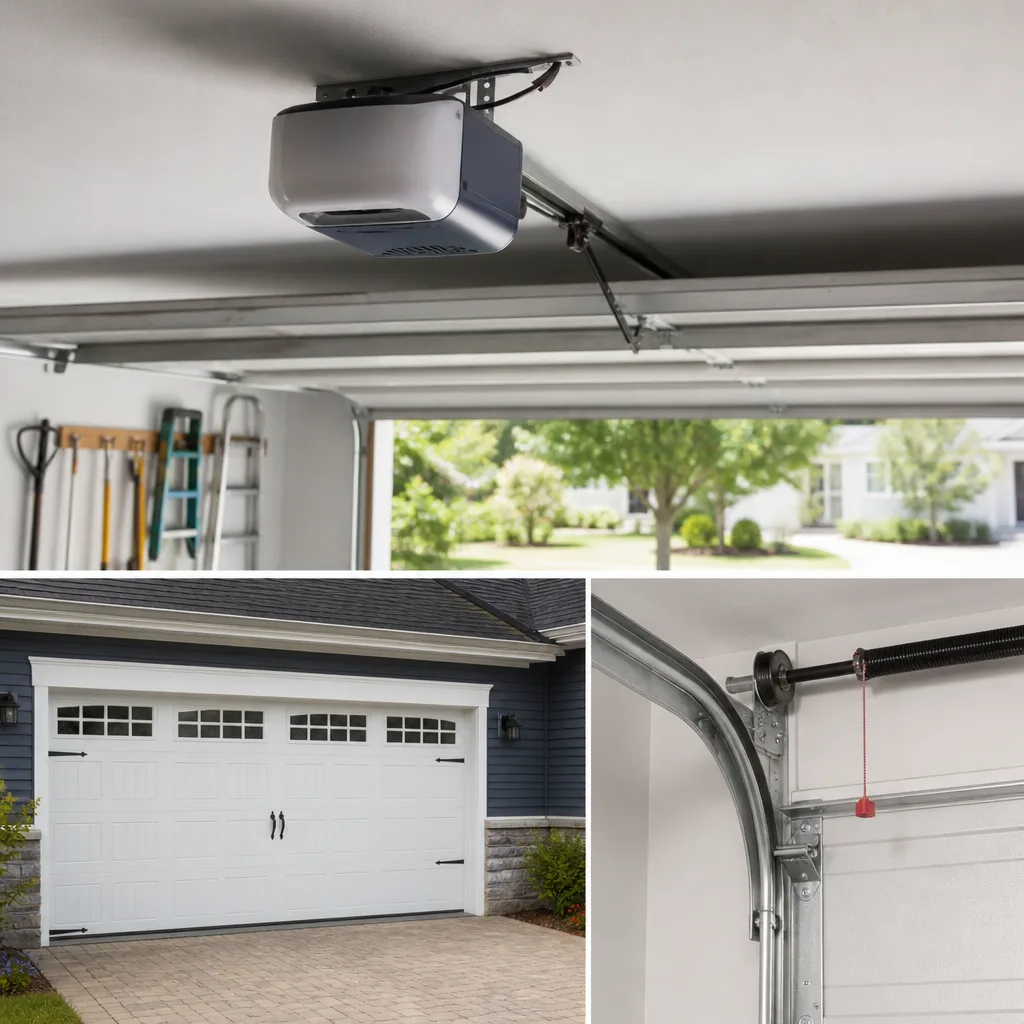
- Look at the torsion spring mounted horizontally above the center of the door. It should be one continuous coil with no visible gap. A two-inch gap in the middle means it has snapped.
- For extension springs (the two long springs running parallel to the horizontal tracks), look for obvious stretching, separation, or a door that hangs unevenly when partially open.
- Disconnect the opener using the manual release while the door is closed, then try to lift the door by hand. It should feel like lifting a 10 to 20 pound weight. If it feels like lifting a grown adult, your springs are failing or already failed.
- Listen for loud bangs when the opener runs. A spring snapping sounds like a gunshot in the garage. If you’ve heard it, even months ago, the spring is broken.
Here’s the part most preparedness guides completely miss: a broken spring changes your emergency protocol. If your spring is broken and the power is out, do not pull the release cord. Do not try to open the door manually. The door is in its safest position – closed and on the ground. Your car may be stuck inside, but a door that cannot be safely opened is a door that is not falling on anyone. Call a garage door repair specialist and tell them you have a broken spring. That information changes what tools they bring and how urgent your call is.
We service springs across every major brand – LiftMaster opener systems paired with Clopay doors, Chamberlain units with Amarr panels, and everything in between. A broken spring on any of these follows the same physics, and the same safety rules apply. Your Steward Garage Door Repair home page covers the full range of what we handle, but know this: spring replacement is not a handyman job. High-tension torsion springs require winding bars, precise torque counting, and serious respect for the stored energy involved.
Power Outages in Fountain Valley: Stuck Car, Closed Door, Now What?
Fountain Valley sees a particular type of power outage. We’re inland enough to avoid the immediate coastal weather but close enough that Santa Ana wind events knock lines down, and summer heatwaves strain the Southern California Edison grid. Outages tend to be short – a few hours – but they happen at the worst times: early morning when you’re leaving for work, or evening when you’ve just pulled in and the door won’t go back up.
Here’s your step-by-step for a power outage with a healthy door:
- Confirm it’s a power outage and not a breaker trip. Check your garage outlet’s GFCI, which trips more often than people realize and cuts power to the opener independently of the rest of the house.
- If the GFCI is fine and the neighborhood is dark, it’s an outage. Pull the manual release cord only if your spring is in good condition (you checked it in advance, right?).
- Lift the door by hand, drive your car out, then close the door by hand from the outside using the exterior handle if you have one. If you don’t have an exterior handle, you’ll need to re-enter through the house to close it, or leave it open and secure the interior door to the house.
- Slide the manual lock bar into the track once the door is closed. This is critical – an opener without power is not locking your door.
- Leave the manual release disengaged until power returns. Re-engage it only after power is restored and the opener is responding to the wall button.
One Fountain Valley-specific note: our garage doors face more sun exposure than coastal properties. Heat can cause track expansion and panel warping over years. If your door is difficult to lift manually even with good springs, the problem may be track alignment rather than spring failure – and that’s a different call. We cover both in our Garage Door Repair in Fountain Valley guide.
Earthquake Preparedness: Fountain Valley and the Newport-Inglewood Fault
The Newport-Inglewood fault runs close enough to Fountain Valley that a significant seismic event is not a hypothetical exercise. The 1933 Long Beach earthquake – magnitude 6.4 – occurred on this fault and caused damage throughout Orange County. A garage door that shifts on its tracks during a tremor becomes a genuine safety hazard, and the procedures are different from a power outage. Garage Door Permits, Codes & Inspections in CA: What You Need to Know covers structural requirements that affect post-earthquake assessments.
What happens to a garage door during an earthquake:
- The door can jump off its rollers if the tracks flex enough. This happens more often with older single-track systems than with modern double-track reinforced rails.
- Torsion springs can shift on their mounting brackets, changing the tension balance of the door.
- The opener’s safety sensors can be knocked out of alignment, which means the door refuses to close even though the mechanism is intact.
- Track bolts can loosen or shear. A track that has come loose from its mounting brackets will guide the door incorrectly on the next cycle and can cause a derailment.
After any noticeable tremor in Fountain Valley, here’s your inspection sequence before you operate the door:
- Visually inspect the tracks on both sides. Look for separation from the wall brackets, obvious bending, or the door panels sitting unevenly inside the track channel.
- Check the torsion spring above the door. If it has shifted laterally or the center bracket looks bent, do not operate the door.
- Run the door once using the wall button, not the remote. Stand inside the garage, to the side, not underneath the door path. Watch for hesitation, scraping sounds, or the door tilting to one side as it moves.
- If the door refuses to close all the way, check the safety sensors at the bottom of the tracks. A small earthquake is enough to knock them out of line, and the door will blink rather than close.
- If anything feels wrong – if the door shudders, drags, or stops midway – disengage the opener using the manual release and leave the door in whatever position it currently occupies. Do not force a cycle.
We’ve straightened earthquake-shifted tracks in homes from Mile Square Park to the neighborhoods off Ellis Avenue. The fix is often straightforward – realigning rollers and re-torquing track bolts – but it must be done before the door is cycled repeatedly, because every misaligned cycle bends the track further and damages rollers. A door that would have needed a simple adjustment becomes a door that needs new tracks and new rollers.
Battery Backup Openers: Are They Worth It for Fountain Valley Homes?
Battery backup openers solve the most common garage door emergency – the power outage – by keeping a rechargeable battery in the opener unit that can cycle the door a limited number of times without line voltage. Newer models from LiftMaster and Chamberlain include this as a built-in feature, while Genie offers it on their higher-end wall-mount units.
The honest assessment we give Fountain Valley homeowners: battery backup is worth it for three groups of people. If you rely on your garage door as your primary entry and exit – meaning you almost never use the front door – the convenience alone justifies it. If you have a family member with mobility limitations who cannot reasonably lift the door manually, battery backup is a safety feature, not a convenience. And if you park a car in the garage daily while working a schedule that doesn’t flex for power outages, the cost of a battery backup is cheaper than one missed shift.
What installation actually looks like:
- Openers with integrated battery backup (like the LiftMaster 87504 or Chamberlain B2405) typically run $150 to $250 more than equivalent non-backup models at retail, with installation adding another $150 to $350 depending on your existing opener configuration.
- Aftermarket backup units can be added to some existing openers, but compatibility is model-specific. Not every Chamberlain opener accepts the retrofit battery, and most Genie units require the backup be factory-installed.
- The battery itself lasts 3 to 5 years in Fountain Valley’s climate, which is mild enough that battery degradation is slower than in desert or freezing environments, but still finite.
- During an outage, the battery typically provides 20 to 30 open/close cycles, or 2 to 3 days of normal use. For SCE outages in Fountain Valley, which rarely exceed 12 hours, that’s more than enough margin.
- Safety sensor misalignment – the two photo eyes at the bottom of the tracks have drifted out of line, often from a bump, a broom hit, or a small earthquake.
- An obstruction in the door’s path – often something as small as a rake handle leaning against the track or leaves accumulated in the photo eye lens.
- Travel limit settings that have drifted, making the door think it’s already at the floor when it’s still six inches up.
- A broken spring, which presents as the door lowering rapidly then reversing, or making a loud noise and refusing to move.
- Opener logic board failure – less common, but when the opener’s control board dies, the door may stop responding to both the wall button and the remote.
- Disconnect the opener using the manual release cord. You’ll be operating the door by hand from here.
- If the spring is functional, physically lower the door by hand. It should feel heavy but manageable. Guide it down slowly and evenly using both hands on the bottom edge.
- Once the door is on the ground, engage the manual lock bar if your door has one. If it doesn’t, place a C-clamp or locking pliers on the track directly above one of the rollers. This physically blocks the door from being lifted.
- Cover any windows in the door with cardboard or paper so no one can see inside. The garage is no longer accessible by door, but visibility is still a security issue.
- Lock the interior door between the garage and the house. If the main vehicle door is unsecured, the interior door becomes your real security boundary.
- The exact symptom. Not “the door is broken” but “the door opens about two feet, makes a grinding noise, and reverses.” The symptom determines which parts the technician loads into the truck.
- Your door’s brand and approximate age. If you know it’s a Wayne Dalton door from 2008, say so. If you only know it’s white and double-wide, that’s fine too – but check the opener unit for a brand name before you call.
- Whether the door is currently open or closed. This changes the urgency. A door stuck open is a security emergency. A door stuck closed is an inconvenience, unless your car is trapped inside.
- Your spring situation. If you know the spring is broken – you heard the bang or you can see the gap – say it first. This is the single most important piece of information for a dispatcher.
- Whether anyone is currently inside. If a person or pet is trapped behind a stuck door, that’s a different urgency level than an empty house.
- Your exact address in Fountain Valley. Not just the street name. The neighborhood helps – homes near the Santa Ana River bed, off Bushard Street, or around Mile Square Park each present slightly different access considerations.
- Pulling the release cord with the door open. The door will slam down under its own weight if the spring is broken, and even with a good spring, it drops fast enough to hurt. Always close the door first, or be prepared to support its full weight.
- Ignoring a broken spring because the opener still works. The opener does the lifting, so a door with a broken spring can still appear to function. You’re accumulating damage to the opener, the tracks, and the door itself every single cycle. One day the opener will burn out mid-lift, and you’ll have two problems instead of one.
- Not knowing where the manual release cord is until you need it. In a dark garage during a power outage is the wrong time to learn your opener’s layout. Look at it today. Note the red handle’s location. It’s always there, and when you need it, you’ll need it fast.
- Leaving the manual lock bar disengaged after using it during a power outage. If the lock bar is still in the track when power returns and the opener tries to run, the opener will strain against a physically locked door. That’s a fast way to strip the gear in the opener or bend the lock bar itself.
- Assuming earthquake damage is “just cosmetic” because the door still moves. A door that shudders or scrapes after a tremor is actively damaging itself every time it cycles. Track realignment is a short visit. Waiting until the door derails entirely is a much more expensive problem – and it happens at the worst possible moment.
- Using the garage door as your only point of entry and not having a backup plan. If you park in the garage and enter through the garage and the power goes out, you need a front door key. Sounds obvious. We’ve met plenty of Fountain Valley homeowners who hadn’t used their front door in months and discovered, during an outage, that the deadbolt was stuck.
If you’re considering a new opener because your current one predates the Bush administration, battery backup should be on your shortlist. Our Garage Door Installation in Fountain Valley page walks through what a full replacement looks like, including how to choose between belt-drive and wall-mount options.
When the Door Won’t Close: Temporary Security Measures
A garage door that refuses to close is a more urgent security problem than a door that won’t open. A stuck-open door advertises everything in your garage to anyone walking by, and in Fountain Valley, where homes are packed close together, that visibility extends to the street.
Why a door might fail to close:
If your door is stuck open and you can’t get a technician out immediately, here’s what to do in the meantime:
These are stopgap measures, not permanent fixes. A door that won’t close because of sensor misalignment is often a 15-minute fix for a technician who knows what they’re looking at. A door that won’t close because of a broken spring requires immediate professional attention – that spring is holding back several hundred pounds of potential energy, and it is not safe to work around.
The 9 p.m. Emergency Call: What to Have Ready
Emergency calls happen at the worst times. Sunday evening. The night before you leave for a trip. The first day of a heat wave. When you call a garage door repair service at 9 p.m. in Fountain Valley, you’re calling a human who will make decisions about how to route their evening based on what you tell them. The more precise you are, the faster you get help.
Before you call, have this information ready:
We also recommend having a photo of your opener’s brand label ready to send. A picture of the model plate on a LiftMaster or Genie unit tells the technician more in five seconds than a phone description can convey in five minutes.
Common Mistakes to Avoid
When to Call a Professional
There are garage door problems you can solve with a step ladder and a wrench, and there are problems that require a professional. The line is drawn at anything involving torsion springs, cable replacement, track realignment after structural shifting, or opener motor or logic board replacement. These systems hold serious stored energy, and the injuries that result from amateur spring work are life-changing – crushed fingers, broken bones, and worse.
Call a professional when: your torsion spring is broken or visibly separated; your cables are frayed or have come off the drum; your door derailed from the track entirely; your opener makes a grinding noise and refuses to move; or your door shifted significantly after an earthquake and you’re not confident in your track assessment. Steward Garage Door Repair offers free estimates in Fountain Valley – call (877) 759-1759 and tell us what you’re seeing. We know your brand, we carry parts for the major manufacturers, and we’ll tell you the truth about whether a repair or a replacement is the right call.
Frequently Asked Questions
Emergency garage door repair in Fountain Valley typically ranges from $150 to $400 depending on the component – a broken spring replacement runs $180 to $340 on most doors, while a track realignment after an earthquake is usually $120 to $250. The price is quoted and agreed before any work starts, so there are no surprises on the invoice. Call (877) 759-1759 for a specific quote on your door.
Yes, we carry springs for the most common door configurations in Fountain Valley and can often get to spring-replacement calls the same day, including evening calls for doors that are stuck open. Spring replacement is the most common emergency we handle, and our trucks are stocked for the major brands – LiftMaster, Chamberlain, Genie, Clopay, Amarr, Wayne Dalton, Craftsman, and Raynor. Call (877) 759-1759 and tell us your door’s brand and whether the spring is torsion (above the door) or extension (along the sides).
No. We quote the price for the repair before any work begins, and that’s the price you pay. If additional problems are discovered during diagnosis, we’ll stop and explain what we found, what it costs to fix, and you decide before we proceed. You’re never on the hook for work you didn’t approve in advance.
No, and this is the most important safety point in this entire guide. A broken spring means the opener is doing the full lifting load, which will destroy the opener’s motor and gear over repeated cycles, and the door can fall without warning if the remaining spring half shifts. Disconnect the opener and leave the door closed until a professional can assess it.
We stock parts for the eight brands we service – LiftMaster, Chamberlain, Genie, Clopay, Amarr, Wayne Dalton, Craftsman, and Raynor – and our technicians carry common spring sizes, rollers, hinges, sensors, and opener components in their service vehicles. If your part is an uncommon size or configuration, we order it from our supplier and typically have it within 24 hours.
If the door is stuck open, disconnect the opener using the manual release, lower the door by hand if the spring is intact, engage the manual lock bar, place a clamp on the track above a roller, and lock the interior door between the garage and the house. Then call (877) 759-1759 – a stuck-open door is a security problem, not an inconvenience, and we prioritize it accordingly.
The Bottom Line
Garage door emergencies in Fountain Valley are manageable if you prepare for them the way you’d prepare for any other home system: know where the manual release is, know whether your springs are healthy, have a plan for power outages, inspect your door after any earthquake you feel, and save a repair number before you need it. Your garage door is your home’s largest moving part, and it’s also the one most homeowners never think about until it fails. Thirty minutes of setup today – checking the spring, learning the release cord, writing down the model number of your opener – means that when the power goes out or the fault shifts, you’re not improvising. For more guides & resources on keeping your door reliable year-round, see our blog. You’re executing a plan.
If you’re in Fountain Valley and want a professional assessment of your door’s emergency readiness, call (877) 759-1759 for a free estimate. We’d rather prevent your emergency than respond to it, but we’ll be there either way.
Written by the team at Steward Garage Door Repair, serving Fountain Valley since 2014.
See the difference
 Before
 After
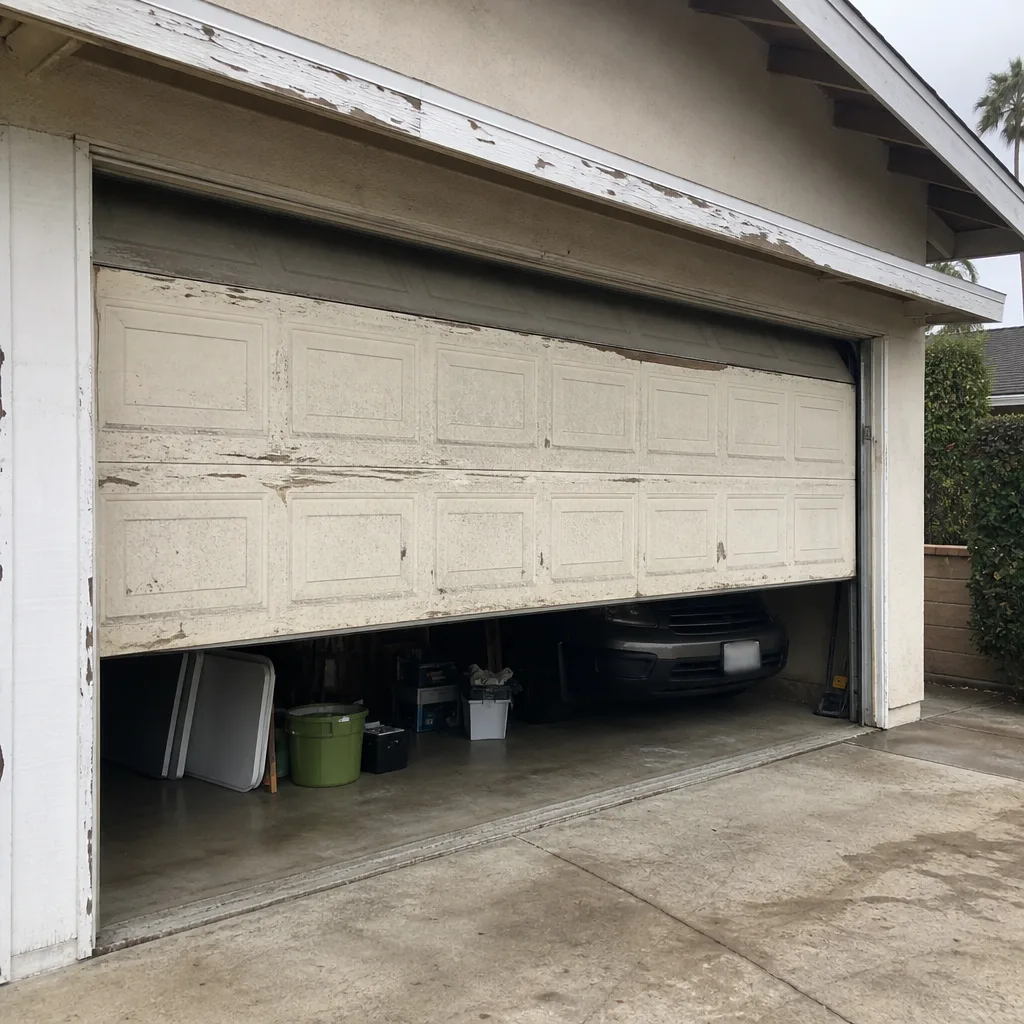 Before
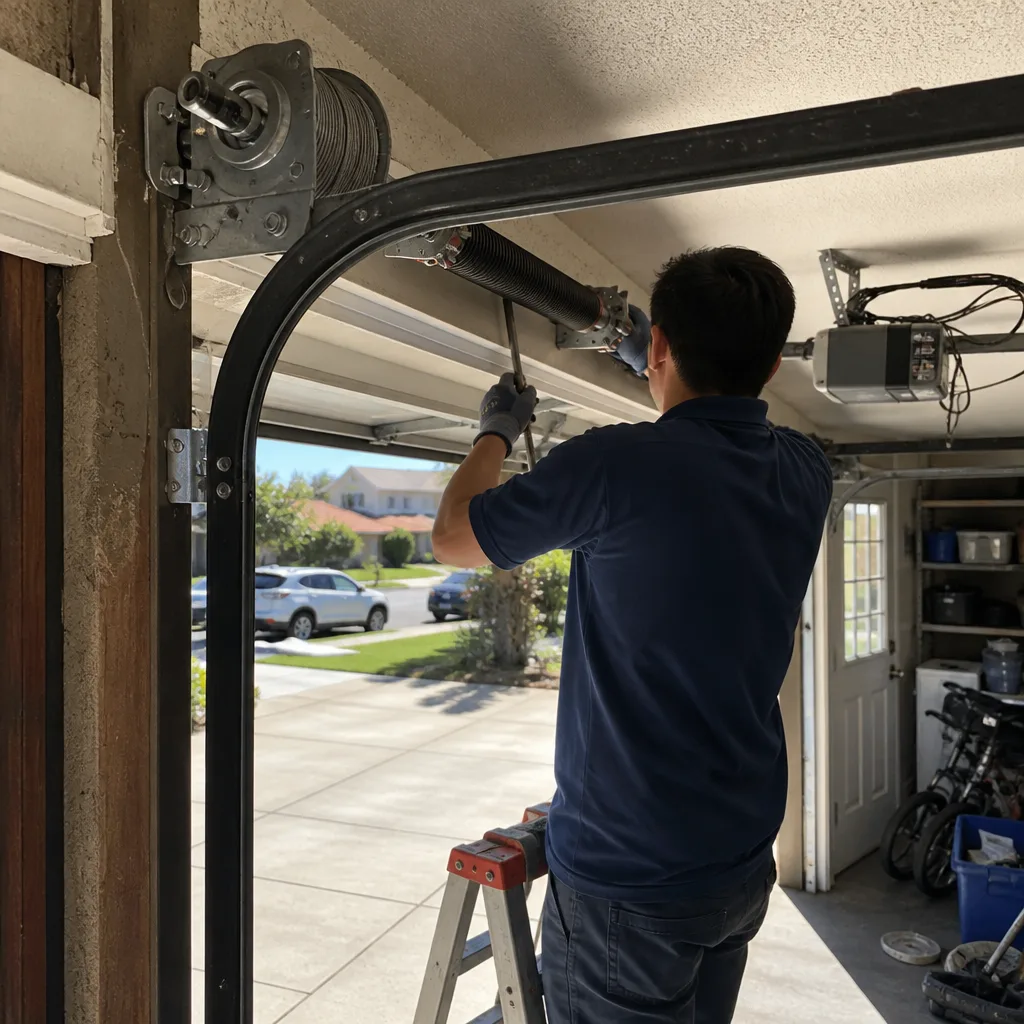 After
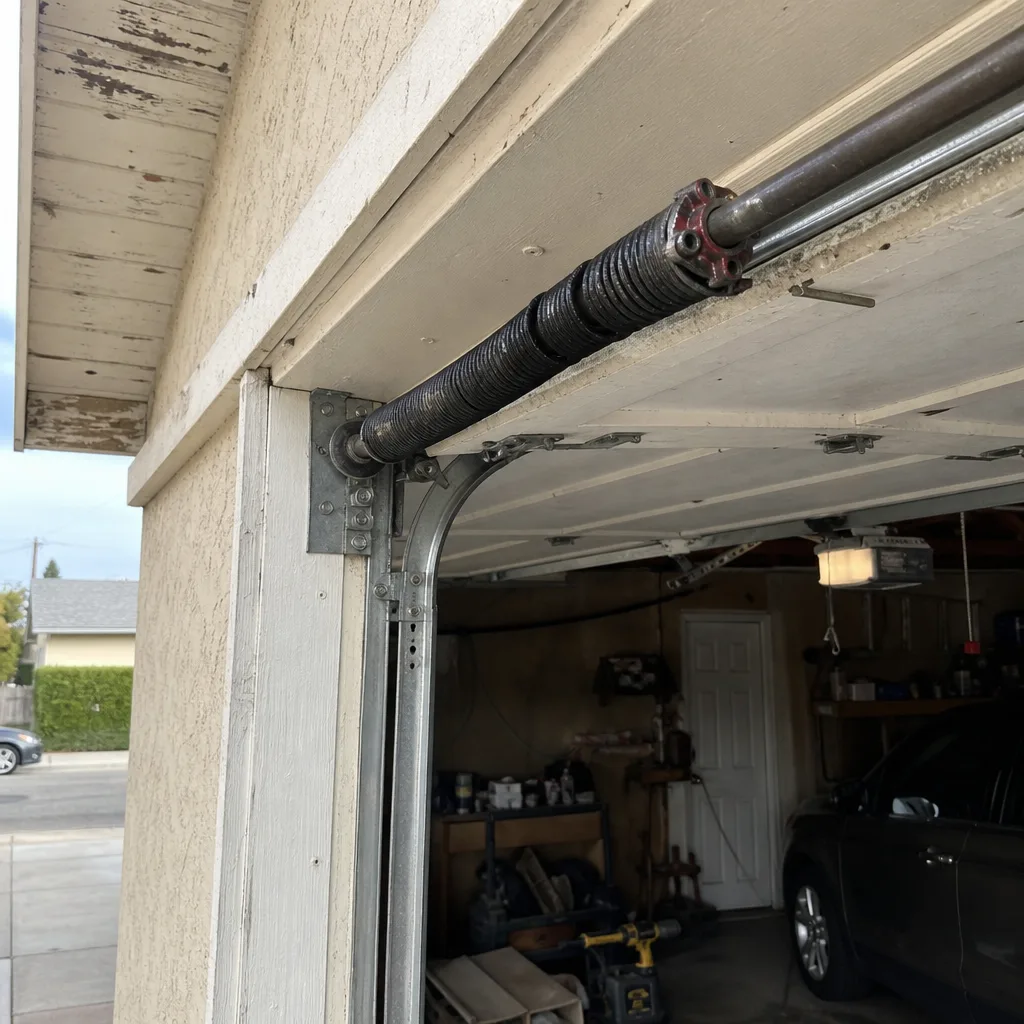 Before
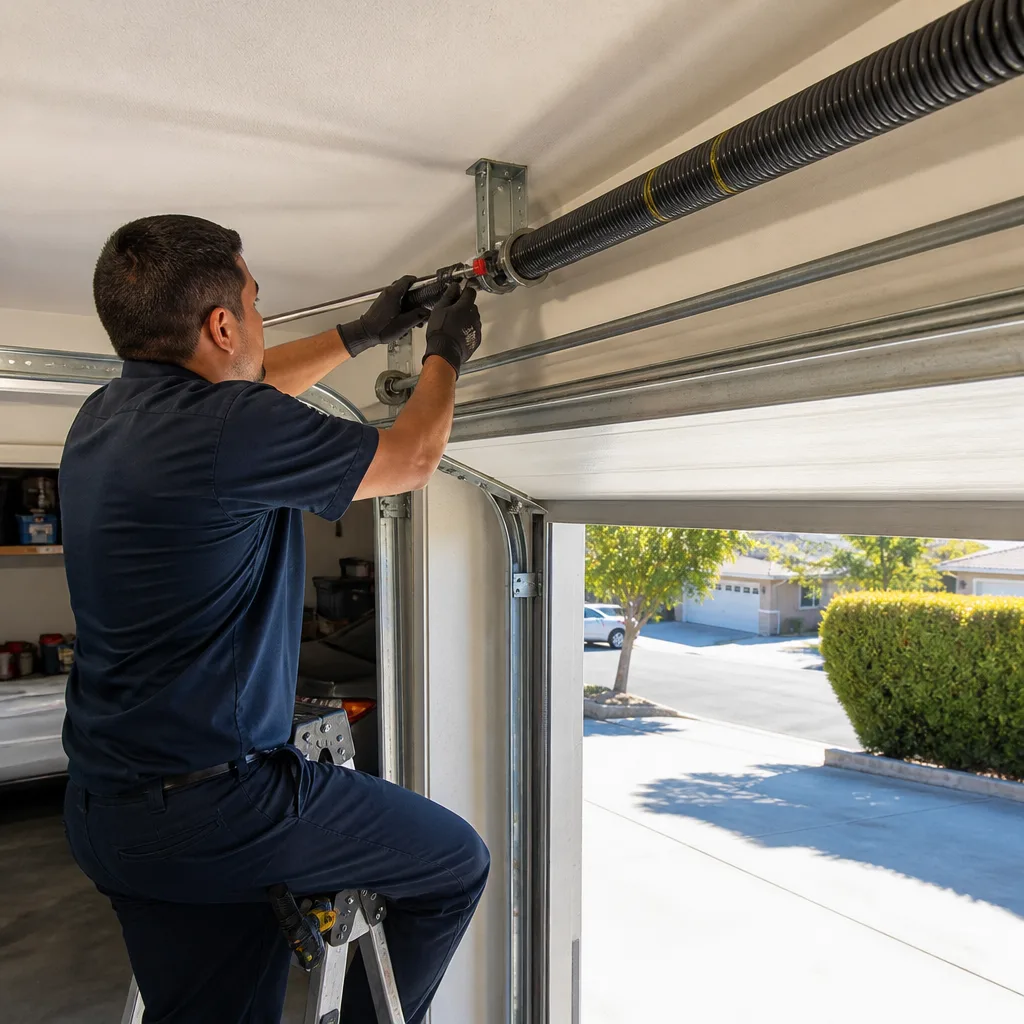 After