
Last updated November 2, 2026
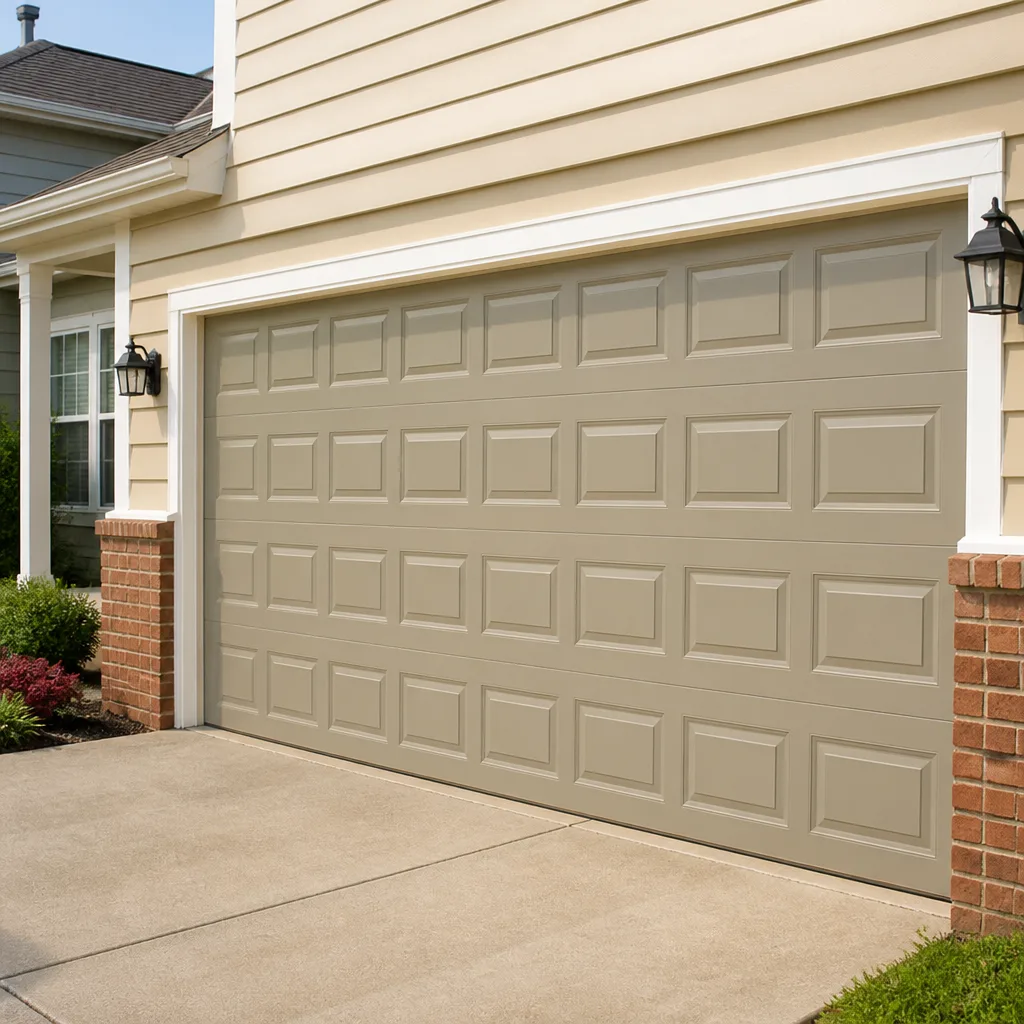 Raised-panel steel
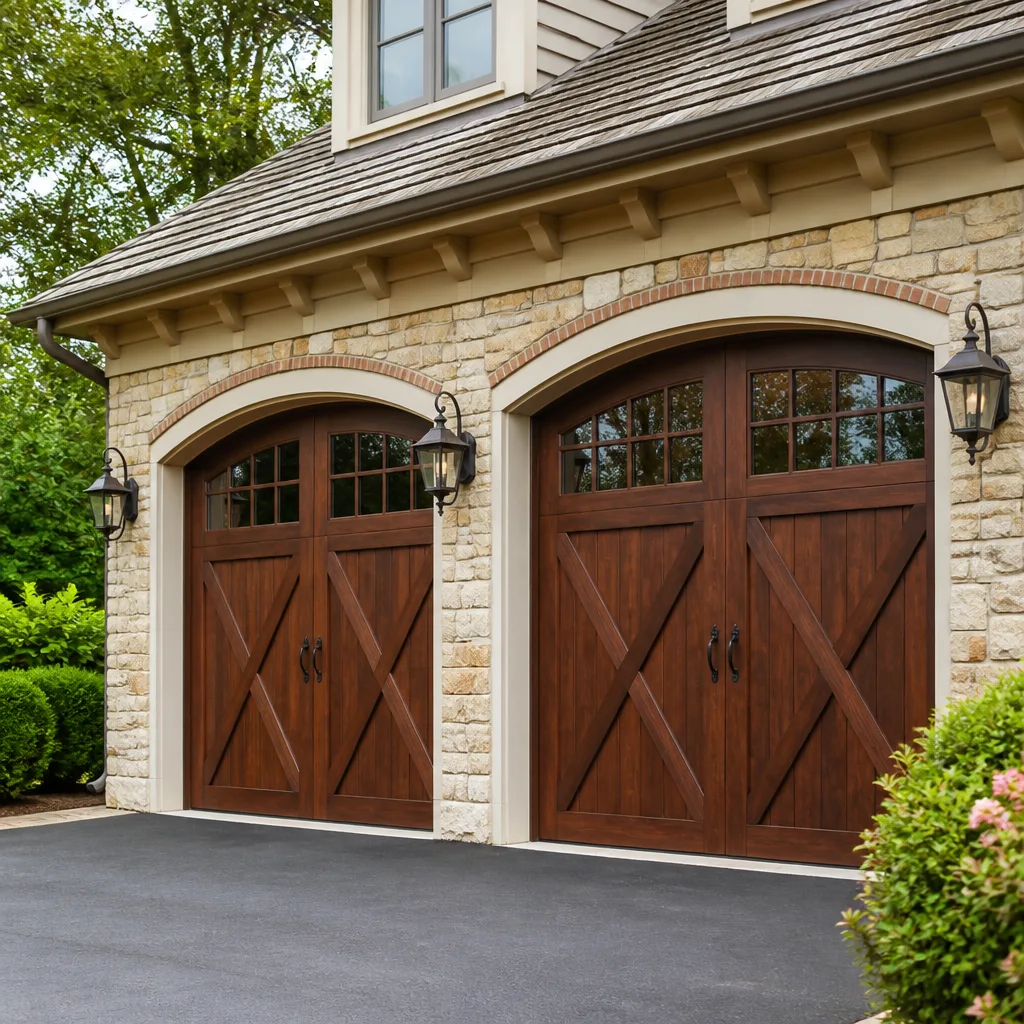 Carriage house
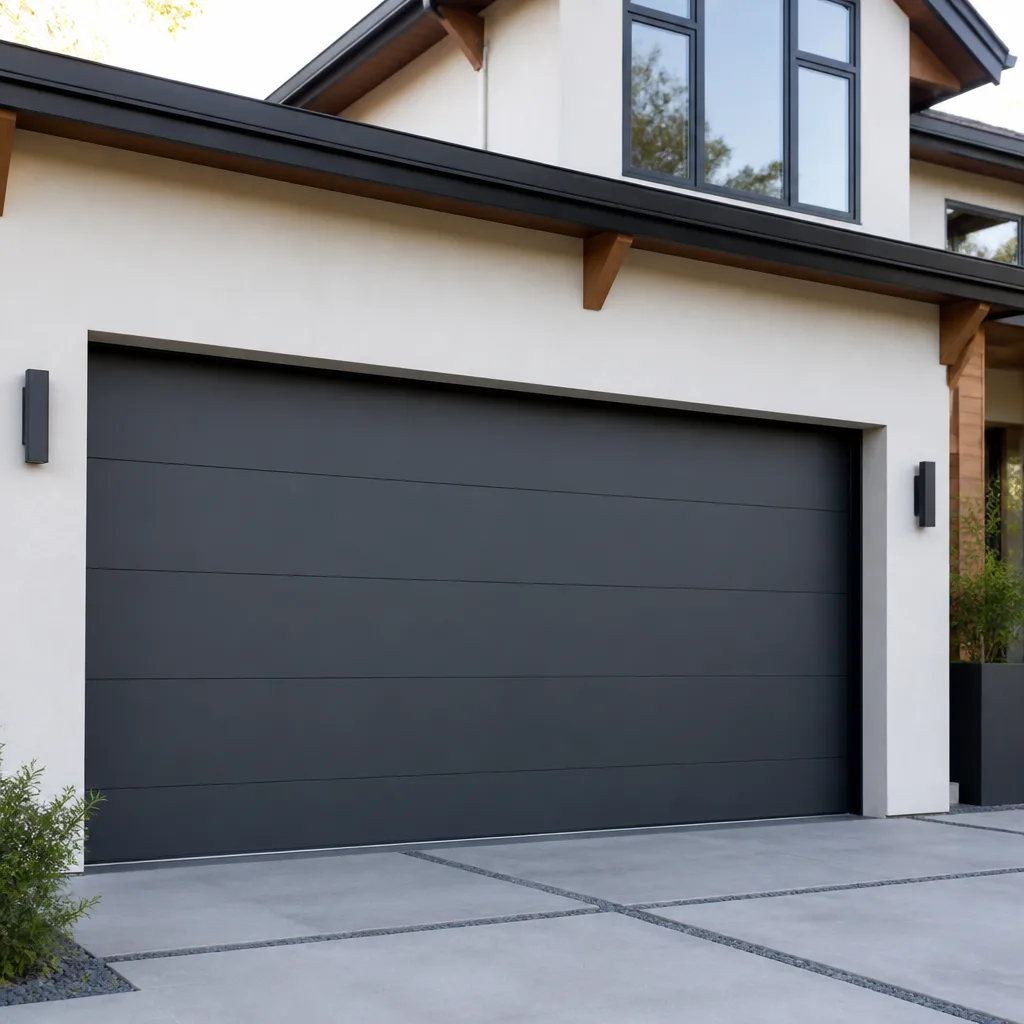 Modern flush
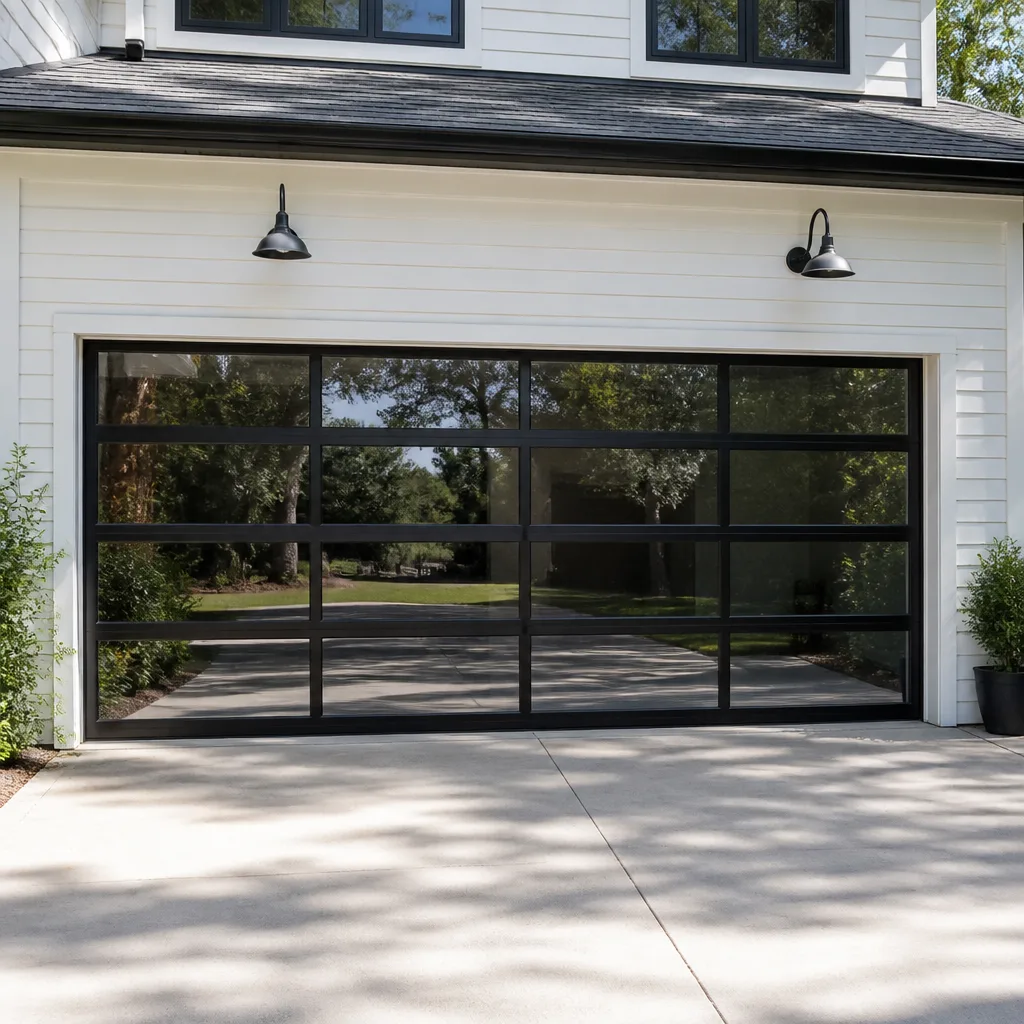 Full-view glass
 LiftMaster openers
 Chamberlain openers
Full 25-point door and opener safety check with every visit - springs, cables, rollers, tracks, and your LiftMaster or Chamberlain opener included
You get a price before we start. It does not change when the truck arrives.
Get your free estimateGarage Door Permits, Codes & Inspections in CA: What You Need to Know
Homeowners find out their unpermitted garage door replacement was a problem not when they install it, but when their real estate agent calls three years later asking for documentation before closing escrow. In Fountain Valley and across Orange County, unpermitted structural work can delay or kill a sale. Here’s how to know upfront whether your project needs a permit, what triggers an inspection, and what an unpermitted installation actually costs you later. For a broader look at garage door care, see our Garage Door Repair Maintenance Checklist for Fountain Valley Homeowners.
Most garage door swaps are exempt from permits under California code. The trouble starts when the project expands beyond a simple like-for-like replacement: changing the header, cutting a new opening, or converting a carport into an enclosed garage. That’s when the California Building Code (CBC) treats the work as structural, and that’s when the city building department expects a permit application before the first fastener goes in.
Quick Answer
In California, a like-for-like garage door replacement (same opening, same structural header, no framing changes) generally does not require a building permit. A permit is required when you modify or replace the header above the door, widen the opening, cut a new opening, or convert an attached carport into a garage. Opener installations are typically exempt from building permits but must comply with UL 325 safety standards and may require a separate electrical permit if a new circuit is added. When in doubt, call your local building department in Fountain Valley; a five-minute phone call beats a title-report problem at closing.
Styles & brands we work with
- Raised-panel steel
- Carriage house
- Modern flush
- Full-view glass
- LiftMaster openers
- Chamberlain openers
Table of Contents
- When a Garage Door Permit Is Required in California
- What “Like-for-Like Replacement” Actually Means in Code Language
- The Fountain Valley / Orange County Permit Process and Typical Timeline
- What Unpermitted Garage Door Work Costs You Later: Title Reports and Remediation
- UL 325 Safety Standards: Why They Apply Regardless of Permit Status
- Garage Door Opener Codes and Electrical Requirements
- Common Mistakes to Avoid
- When to Call a Professional
- Frequently Asked Questions
When a Garage Door Permit Is Required in California
The California Building Code does not have a standalone chapter titled “garage doors.” Instead, garage door work falls under the broader provisions for exterior wall openings, structural headers, and means of egress. That placement is what trips up so many homeowners: a door that looks like a simple swap can cross into regulated territory without any visible warning. Spotting trouble early is easier with our Garage Door Warning Signs: A Fountain Valley Homeowner’s Reference Guide.
Here are the specific triggers that require a building permit for garage door work under the CBC:
- Header modification or replacement. The header is the beam running horizontally above the door opening. It carries the weight of the wall and roof above. If you replace a rotted or undersized header, or if a new, heavier door requires a beefier header, the work is structural. A permit is required.
- Widening or enlarging the opening. Going from a single-car door to a double-car door means cutting into load-bearing wall framing. This always requires plans, a permit, and an inspection.
- Cutting a new opening. Adding a garage door where none existed before – say, converting a blank wall into a drive-through bay – is major structural work. Permits, engineering calculations, and multiple inspections are mandatory.
- Carport-to-garage conversion. Enclosing a carport and installing a garage door changes the structure’s use, fire rating, and foundation requirements. Fountain Valley’s building department treats this as an addition, not a door project.
- Any work involving shear wall or lateral bracing changes. In earthquake country, door openings affect a building’s lateral load path. If the contractor has to move hold-downs, add plywood shear panels, or modify the braced wall line, the city engineer will absolutely want to see it.
What does not require a permit in most California jurisdictions:
- Replacing an existing sectional garage door with a new door of the same width and height in the same opening.
- Replacing garage door panels on an existing track system.
- Swapping torsion springs, cables, rollers, hinges, or tracks with comparable components.
- Installing a replacement garage door opener on an existing outlet.
Seismic retrofitting in Orange County has tightened some of these interpretations. Fountain Valley sits in a seismically active zone, and the city’s plan reviewers have become more rigorous about inspecting any change that touches a braced wall panel or a garage-front shear wall. When we install a new door for a Fountain Valley homeowner, we pay particular attention to whether the existing header and shear-wall detailing match current code. Older homes in the Green Valley and Westgate neighborhoods sometimes have headers that were acceptable in 1972 but fall short of current uplift and lateral-load requirements.
What “Like-for-Like Replacement” Actually Means in Code Language
“Like-for-like” is the term contractors and building departments use to describe a swap that does not change the physical or structural configuration of an existing opening. California building officials interpret this phrase narrowly. It means same opening width, same opening height, same header, same jamb construction, same load path, and no change to the building’s exterior envelope or fire rating.
Here is how it works in practice:
- A homeowner in Fountain Valley has a 16×7-foot sectional steel door from the early 1990s. The panels are dented and the rollers are shot. They buy a new 16×7-foot door from Clopay or Amarr and have it installed in the same opening, using the existing header and track mounts. No permit needed.
- The same homeowner decides they want an 18×8-foot door to fit a taller truck. The installer has to cut the jamb on both sides and raise the header. That changes the bearing point, the wall framing, and the lateral-load path. Permit required.
- A third homeowner has a swing-out carriage door and wants a sectional roll-up door. Even if the opening dimensions stay exactly the same, the mounting system changes the way loads transfer to the building. Most Orange County building departments will require a permit and an inspection, because the door is no longer “like-for-like” in how it attaches to the structure.
One misconception worth clearing up: the brand of the door does not determine permit status. Installing a Genie opener on a Chamberlain-compatible rail does not change the calculation. What matters is whether the opening, the framing, and the structural connections stay identical. A brand-new Clopay door in an existing opening is still like-for-like. A used door crammed into a freshly cut opening is not.
In our experience serving Fountain Valley and surrounding Orange County cities, confusion about like-for-like is the single most common reason homeowners get surprised during escrow. For step-by-step help diagnosing issues yourself, check out Garage Door Repair Troubleshooting: Common Problems and How to Fix Them. They assumed “same size door, no permit.” The city sees “modified header, no inspection.” The gap between those two readings is where title problems breed.
The Fountain Valley / Orange County Permit Process and Typical Timeline
If your garage door project does require a permit, the process in Fountain Valley is predictable if you know the steps. The city’s building division falls under its Community Development Department, and residential permits for door-opening work follow the standard path for minor structural alterations.
A typical permit process for a header change or opening modification:
- Prepare basic drawings. Most residential garage door permit applications need a simple elevation drawing showing the existing opening, the proposed opening, the header size and material, and the door dimensions. For opening changes, the city may also want a floor plan and a shear-wall schedule.
- Submit the application. Fountain Valley accepts residential permit applications online through the city’s permitting portal. Plan review fees for a minor structural alteration typically run in the low hundreds of dollars, though the exact figure depends on project valuation.
- Plan review. The city’s plan checker reviews the drawing against the current California Residential Code. For simple header changes, review usually takes one to three weeks in Fountain Valley, sometimes longer during spring and summer construction peaks.
- Permit issuance. Once the plans are approved, the city issues the permit. Work may begin only after the permit is in hand and posted on site.
- Rough inspection. For header work, the inspector wants to see the new header, the king studs, the jack studs, and the anchor bolts before the wall is closed up. This is the critical inspection.
- Final inspection. After the door is installed and the wall patched and painted, the inspector verifies the finished installation. The permit is then signed off, and the city’s records show a closed, compliant project.
Typical total timeline for a straightforward header replacement in Fountain Valley: two to four weeks from application to final sign-off, assuming plans are complete and the construction schedule cooperates. Emergency work does not skip the process. If a vehicle strikes a garage door header in the middle of the night, the repair still requires a permit before framing begins. Cities do sometimes allow emergency stabilization work with the permit applied for on the next business day, but the inspection obligation does not disappear.
One note from years of working in this area: Fountain Valley’s plan reviewers are approachable and consistent. A phone call to the building division with a question like “I’m replacing my header, do I need engineered calculations?” gets a straight answer. We encourage homeowners to make that call themselves. It saves time, and it creates a record of due diligence.
For the actual installation work, a brand-agnostic specialist who works across Chamberlain, Genie, Clopay, and Amarr equipment can handle both the door and the opener side of the project. That matters, because a permit-driven installation often requires coordinating the rough framing work, the door installation, and the opener wiring in one sequence.
What Unpermitted Garage Door Work Costs You Later: Title Reports and Remediation
The real cost of unpermitted garage door work almost never arrives in a city fine. It arrives at the title company, three to ten years after the installation, when you are trying to sell the house and a real estate transaction falls over a document request.
Here is what happens. During escrow, the buyer’s title insurer searches the county recorder’s records for open permits, code violations, and unpermitted improvements. In Orange County, this process is routine, and it catches unpermitted structural changes with surprising regularity. A garage door opening that was widened in 2018 without a permit shows up as a discrepancy between the property’s recorded square footage or permitted plans and the physical reality of the building. The buyer’s lender may refuse to fund the loan until the discrepancy is resolved. The buyer may walk.
Remediation costs for unpermitted garage door work break down into three buckets:
- Retroactive plan review and permit fees. You pay the normal permit fee plus a penalty multiplier. In many California jurisdictions, the penalty doubles or triples the base fee. For a header replacement, that’s not catastrophic. For a widened opening, it can push into four figures before any corrective work begins.
- Corrective construction. If the unpermitted work does not meet current code – and older unpermitted work frequently doesn’t – you have to bring it up to standard. That can mean opening the wall to add shear plywood, replacing an undersized header, or re-anchoring hold-downs. Several thousand dollars is a reasonable planning assumption.
- Sales delay and price concessions. Even when the buyer stays, the seller often has to credit the buyer for the cost of remediation at closing. And the longer escrow drags on, the more likely the deal degrades.
We have seen cases in Fountain Valley where a homeowner saved $400 by skipping a permit on a header change, then spent $4,000 and six weeks getting it sorted out before they could close the sale. The math rarely works in the homeowner’s favor.
There is a persistent myth that unpermitted work “doesn’t show up” if no one complains. Building departments in Orange County exchange data with title companies more thoroughly than most homeowners realize. The risk is not discovery by an inspector. The risk is discovery by an escrow officer who doesn’t care that the work was done well; they care that it was done legally.
UL 325 Safety Standards: Why They Apply Regardless of Permit Status
Permit or no permit, every automatic garage door opener installed in the United States must comply with UL 325, the standard that governs entrapment protection for automatic vehicular gates and doors. This requirement applies to every opener installation, whether it’s a fresh install of a Chamberlain belt-drive on a new door or a Genie replacement motor on a 1998 rail.
UL 325 mandates that every garage door opener has two independent entrapment protection mechanisms. In practice, that means a motor with automatic reverse (the door reverses if it senses resistance) plus a monitored photo-eye system that detects an obstruction in the door’s path. If either system fails, the opener must not operate.
Why this matters even when no permit is involved:
- Safety. A garage door is the heaviest moving object in most homes. A door that closes on a child or pet without reversing is a life-threatening hazard. UL 325 exists because entrapment deaths were once depressingly common before the standard arrived.
- Insurance liability. Homeowners insurance policies assume covered equipment meets applicable safety standards. If an opener without functioning photo-eyes injures someone, the insurer may deny the claim on the basis of non-compliant equipment.
- Inspection expectations. Even when the city isn’t inspecting your opener, a home buyer’s inspector will test the photo-eyes and auto-reverse during a pre-purchase home inspection. Non-functioning sensors show up on the inspection report and become a negotiating item or a hard ask.
Older homes in Fountain Valley sometimes have legacy openers that predate the current UL 325 requirements. A 1985 opener with a single mechanism and no photo-eyes is not grandfathered. If you are replacing the door, the code expects the opener to meet current standards. In our work on older homes around Fountain Valley’s Mile Square Park neighborhood, we regularly see openers that function mechanically but fail the entrapment-protection test. The fix is usually straightforward: new safety sensors and a current-generation motor.
For a deeper look at opener-specific diagnostics and replacement, see Garage Door Opener Repair in Fountain Valley.
Garage Door Opener Codes and Electrical Requirements
Garage door openers sit at the intersection of two regulatory regimes: building code and electrical code. The building code generally exempts opener installation from permits, since the opener mounts to the ceiling and does not alter the building envelope. The electrical code has something to say about how the opener gets power.
Current California Electrical Code requirements for garage door openers:
- GFCI protection. Garage receptacle outlets, including the ceiling outlet that powers a door opener, must be GFCI-protected. If your home predates this requirement and the outlet is not protected, installing a new opener may require upgrading the circuit or the outlet.
- Dedicated circuit. The code does not require a dedicated circuit for a garage door opener in a residential setting, but it is recommended. Openers draw significant inrush current at startup, and a heavily loaded circuit can trip.
- New outlet installation. If your garage has no ceiling outlet where an opener should go, running new wiring and installing an outlet generally requires an electrical permit, even when the opener itself does not.
- Low-voltage control wiring. The wires connecting the wall button and the safety sensors are low-voltage and exempt from most electrical permit requirements, but they must be installed and secured in a workmanlike manner.
The practical takeaway: if you are replacing an old opener with a new one on an existing, GFCI-protected ceiling outlet, you generally do not need a permit. If you are adding a new circuit, moving an outlet, or upgrading old ungrounded wiring, an electrical permit is needed. These electrical permits are cheap and fast in Fountain Valley, and they protect you from the same title problems that unpermitted structural work creates.
When we install openers for Fountain Valley homeowners, we check the power source as part of the job. A surprising number of 1960s and 1970s homes in the area still have the original ungrounded garage circuits. Part of doing the job properly is flagging that condition and letting the homeowner decide whether to upgrade now or later.
Related: If your project is a full door replacement rather than a repair, Garage Door Installation in Fountain Valley covers the process end to end.
See the difference
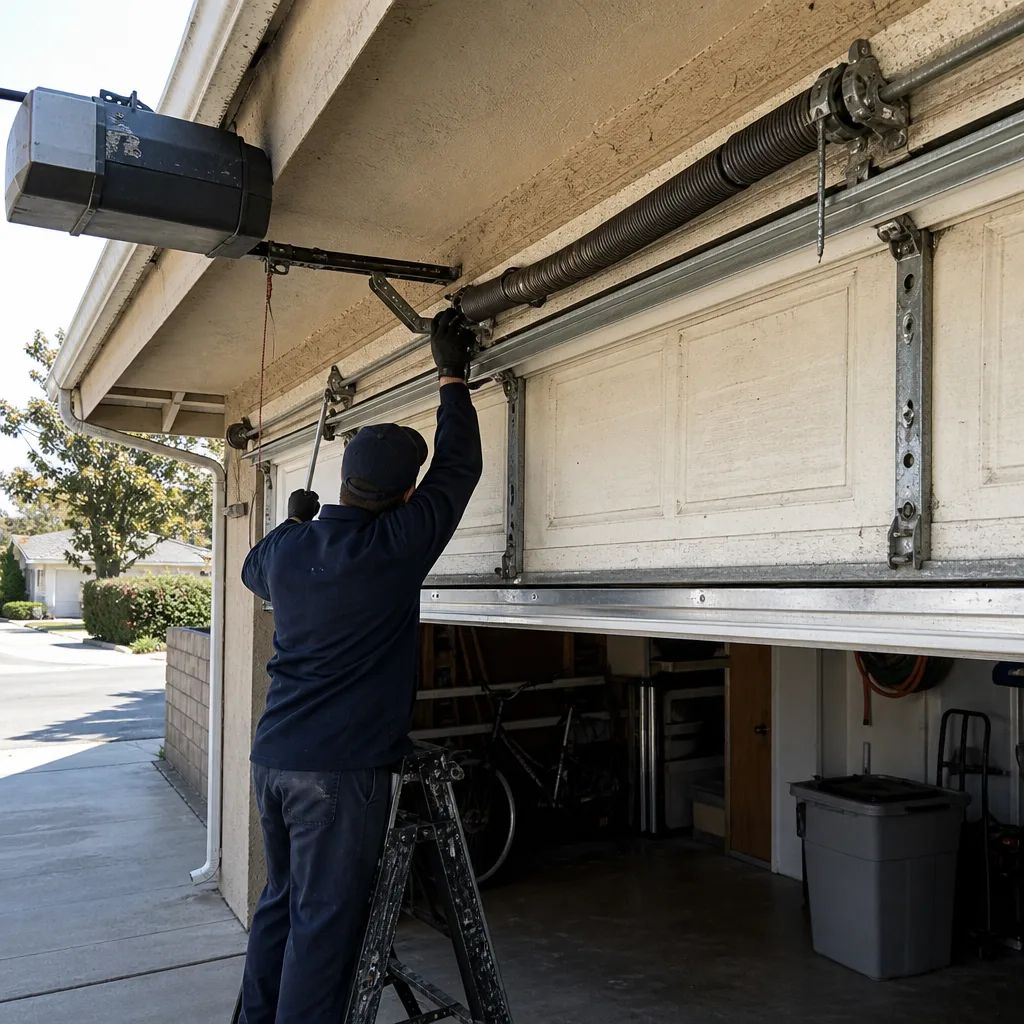 Before
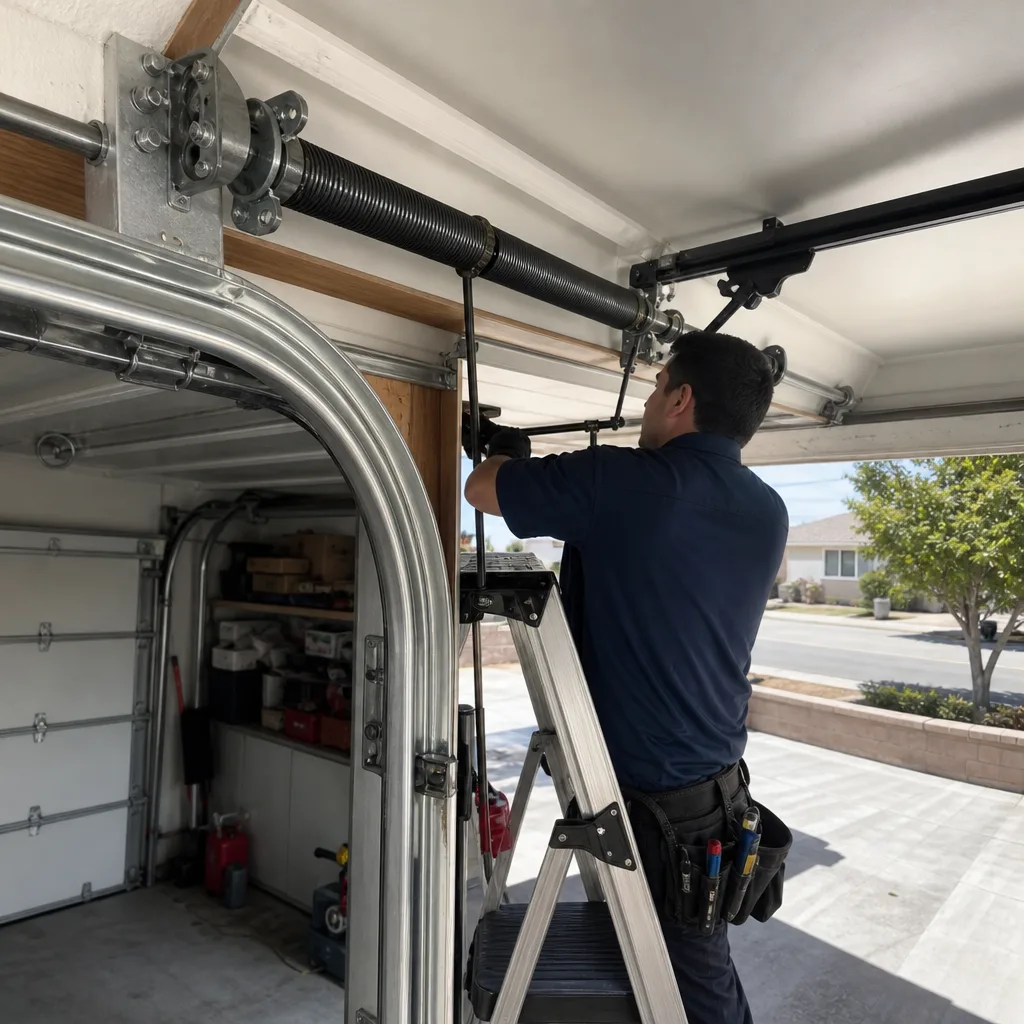 After
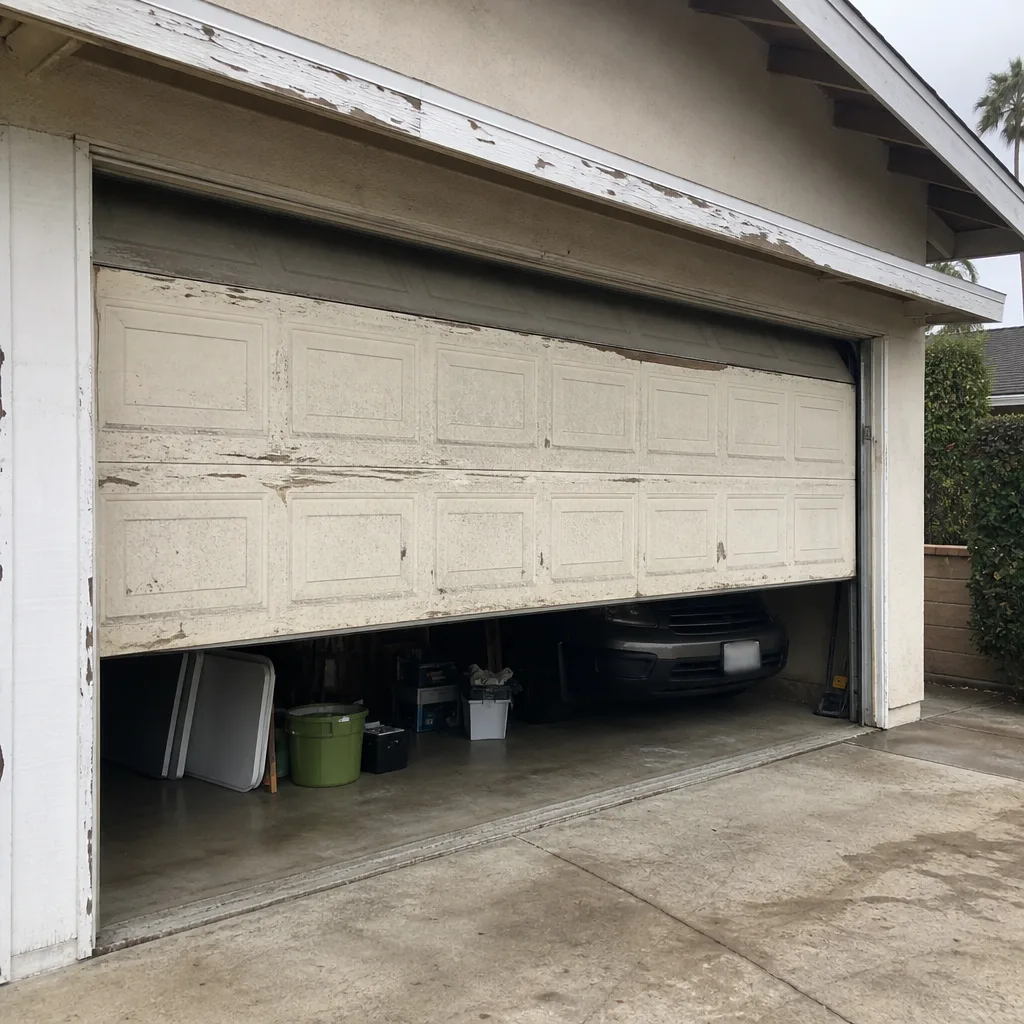 Before
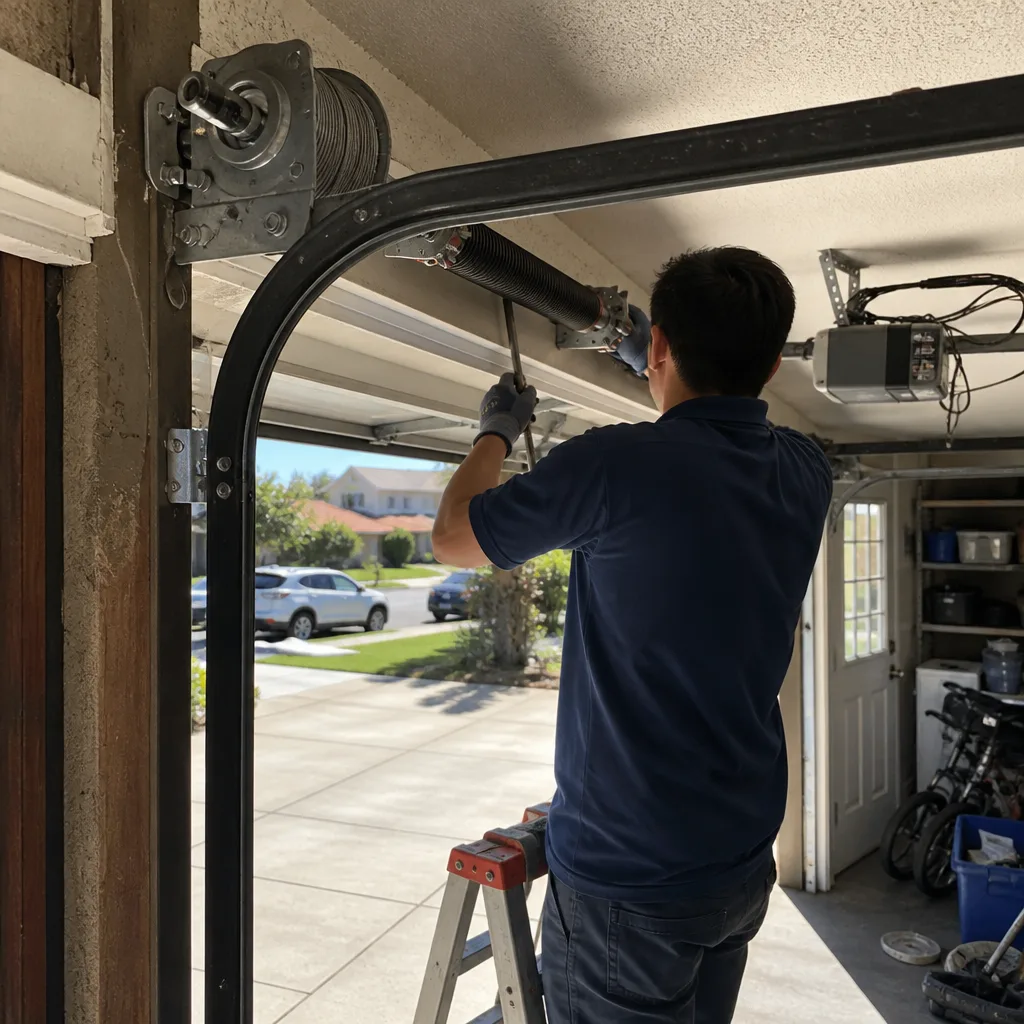 After
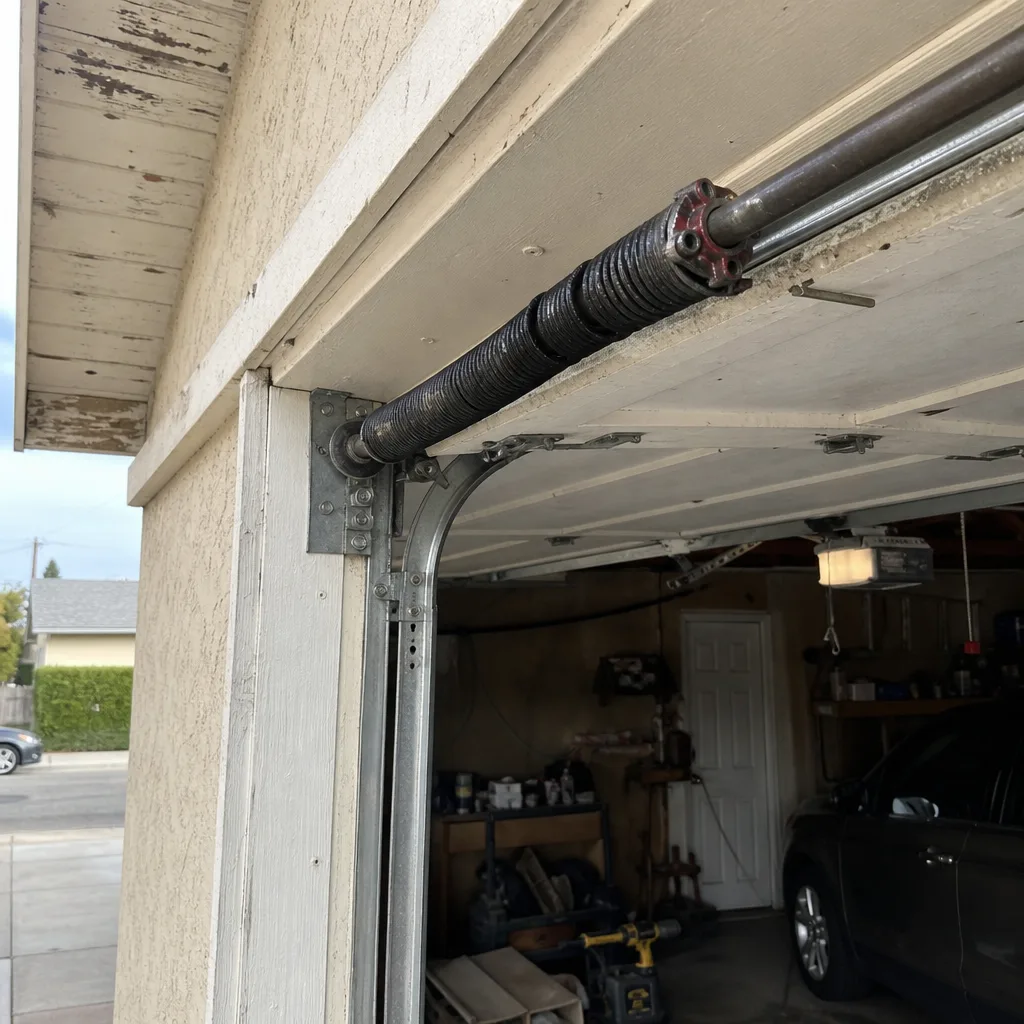 Before
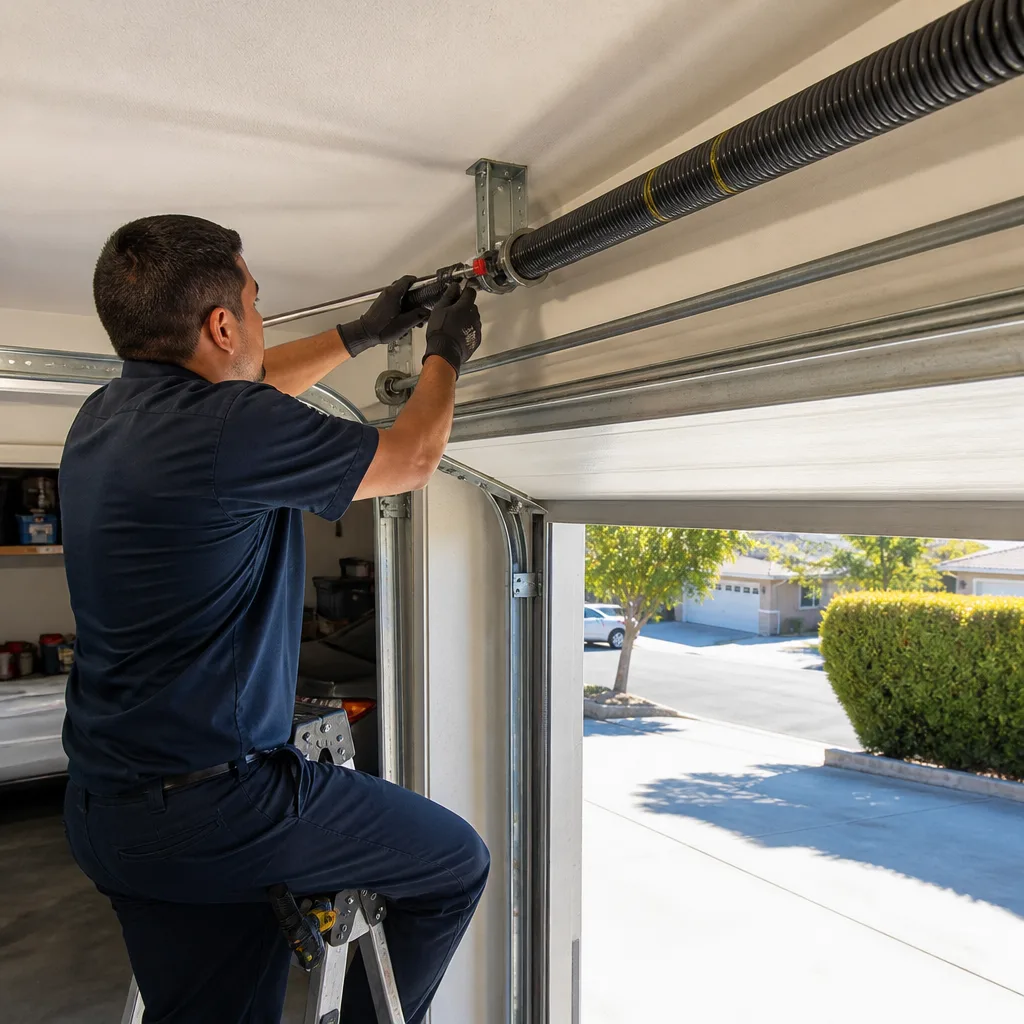 After
Green Building Standards and Garage Door Energy Requirements in California
California’s Title 24 energy code applies to garage doors in a limited but real way, primarily through insulation requirements and air-infiltration standards. If your garage is conditioned space – heated or cooled – the door must meet specific U-factor ratings. If the garage is unconditioned, the requirements are looser, but the door still contributes to the home’s overall envelope performance in ways the code acknowledges.
What homeowners should know:
- Insulated doors. A Clopay or Amarr insulated door with a polyurethane core will nearly always exceed code minimums. Single-layer steel doors are cheaper but can fail the energy calculations for conditioned garages.
- Weather sealing. California’s energy code has become stricter about air leakage around openings. Proper perimeter weatherstripping and bottom seals are no longer optional trim details; they are compliance items.
- Documentation. If a building inspector is already reviewing your project for structural work, they may ask for the door’s thermal performance data. Quality manufacturers provide this documentation on a spec sheet.
In Orange County’s mild coastal climate, the financial payoff of an insulated door is modest compared to a cold-climate state. But Title 24 compliance is not optional, and if you’re already pulling a permit for structural work, the door’s energy specs will be part of the plan review. We price doors accordingly when homeowners ask for comparisons.
Common Mistakes to Avoid
- Assuming all garage door work is permit-free. Like-for-like swaps are exempt; header changes and opening modifications are not. When in doubt, call the city. In Fountain Valley, the building division’s phone answer is faster than an online search rabbit hole.
- Treating the permit as optional paperwork you can “deal with later.” Later means escrow, and escrow means pressure. A $300 permit problem becomes a $3,000 closing problem when a buyer’s lender holds the file hostage.
- Using an unlicensed contractor to save a few hundred dollars. Unlicensed workers cannot pull permits in California. If a permit is required, the project stalls. If no permit is pulled and the work is structural, you inherited the liability.
- Replacing a header without consulting an engineer. A bigger door often means a bigger header, and a bigger header can change the load path into the foundation. An engineer’s letter costs a few hundred dollars and resolves the question definitively.
- Ignoring UL 325 compliance on opener installations. Even a permit-exempt opener install must meet entrapment-protection standards. Non-compliant openers are a safety hazard and an insurance liability.
- Assuming the previous owner’s unpermitted work is your problem. It is. When you buy a house, you buy its permit history. A pre-purchase title review that includes building-permit checks is cheap insurance in Fountain Valley’s fast-moving market.
- Letting the salesperson tell you the city “doesn’t really enforce that here.” Orange County building departments enforce. The risk isn’t a knock on the door; it’s a red flag on a title report years later.
When to Call a Professional
A homeowner can replace weatherstripping or repaint a door without blinking. The threshold changes when the work touches structural framing, spring tension, or opener electronics. High-tension torsion springs store enough energy to cause serious injury if handled incorrectly; this is not a DIY adjustment. Same story for header work: an overloaded or incorrectly installed header can sag, crack drywall, or fail in an earthquake. The door’s weight, the spring’s tension, and the header’s load path are not forgiving of shortcuts.
If you are planning a door replacement in Fountain Valley and you are unsure whether the header, shear wall, or opening dimensions will trigger a permit, a professional assessment is the fastest way to clarity. Steward Garage Door Repair offers free estimates in Fountain Valley – call (877) 759-1759 and we’ll tell you what the project involves before you spend anything.
Steward Garage Door Repair works across all three phases of the job: repair, opener service, and new installation. Our technicians are familiar with equipment from Chamberlain, Genie, Clopay, and Amarr, so the parts and compatibility questions get answered on the first visit rather than the third. See Steward Garage Door Repair home for a full overview of our service scope.
Frequently Asked Questions
In most cases, no. A like-for-like replacement – same opening size, same header, no structural changes – is exempt from building permit requirements in California. The permit obligation appears when you modify the header, widen the opening, cut a new opening, or convert a carport into a garage. If you’re unsure, call the Fountain Valley building division and describe your project in one sentence; they’ll give you a definitive answer. For more on what like-for-like means in practice, see the section above.
For a simple structural alteration like a header replacement, plan review in Fountain Valley typically takes one to three weeks, with another one to two weeks for inspections and final sign-off. Complex projects, like widening an opening or converting a carport, can take six to eight weeks from application to closeout. The shortest path is submitting complete drawings the first time. Call (877) 759-1759 and we can help you understand which drawings the city will actually ask for.
The city rarely “discovers” unpermitted work through an inspector driving by. The discovery usually happens during escrow, when the buyer’s title insurer flags a discrepancy between the property’s permitted records and its physical condition. At that point, you’re paying retroactive permit fees (often doubled or tripled), correcting any code deficiencies, and possibly losing the sale or conceding price. The cleanup is always more expensive than the permit would have been.
Usually not for the permit itself, since opener installations are generally permit-exempt. The real issue is compliance with UL 325 entrapment-protection standards. A home inspector will test the photo-eyes and auto-reverse during a purchase inspection. If they fail, it becomes a negotiation item or a repair demand. Older openers commonly fail these tests even when they operate fine.
For minor structural alterations, plan review and permit fees in Fountain Valley generally run in the low hundreds of dollars, but the exact number depends on the project’s declared valuation and the specific reviews triggered. Electrical permits for new outlet wiring are typically under $100. If you need an engineer’s letter for a header design, budget a few hundred more. Call the city with your project description for a precise fee schedule, or call us at (877) 759-1759 and we’ll walk through the full cost picture before you commit.
Yes. Current California Electrical Code requires GFCI protection for garage receptacle outlets, including the ceiling outlet serving a door opener. Homes built before this requirement took effect may have unprotected garage outlets. If you’re installing a new opener and the outlet isn’t GFCI-protected, the code-compliant move is to upgrade the outlet or breaker at the same time. It’s a small cost that closes a real safety gap.
The Bottom Line
Most garage door replacements in California are genuinely permit-free. The line you cannot cross is structural: modify the header, widen the opening, cut a new opening, or convert the space, and the permit obligation becomes mandatory and non-negotiable. Unpermitted structural work catches up with homeowners at the point of maximum vulnerability – during escrow – and the remediation cost dwarfs the original permit fee. UL 325 compliance applies to every opener regardless of permit status, and it should be treated as a non-negotiable safety baseline. For most Fountain Valley homeowners, the smart sequence is: confirm your project’s permit status, hire a contractor who understands both the door mechanics and the code triggers, and keep the paperwork. Steward means we treat your home the way we’d treat our own – which is why we tell you these things before you ask. Explore more guides & resources on our blog.
If you’re planning a garage door project in Fountain Valley, start with a straightforward assessment. Garage Door Repair in Fountain Valley covers our repair scope, and Garage Door Installation in Fountain Valley walks through replacement projects. One call covers the door and the opener – (877) 759-1759.
Written by the team at Steward Garage Door Repair, serving Fountain Valley since 2014.