
Last updated November 2, 2026
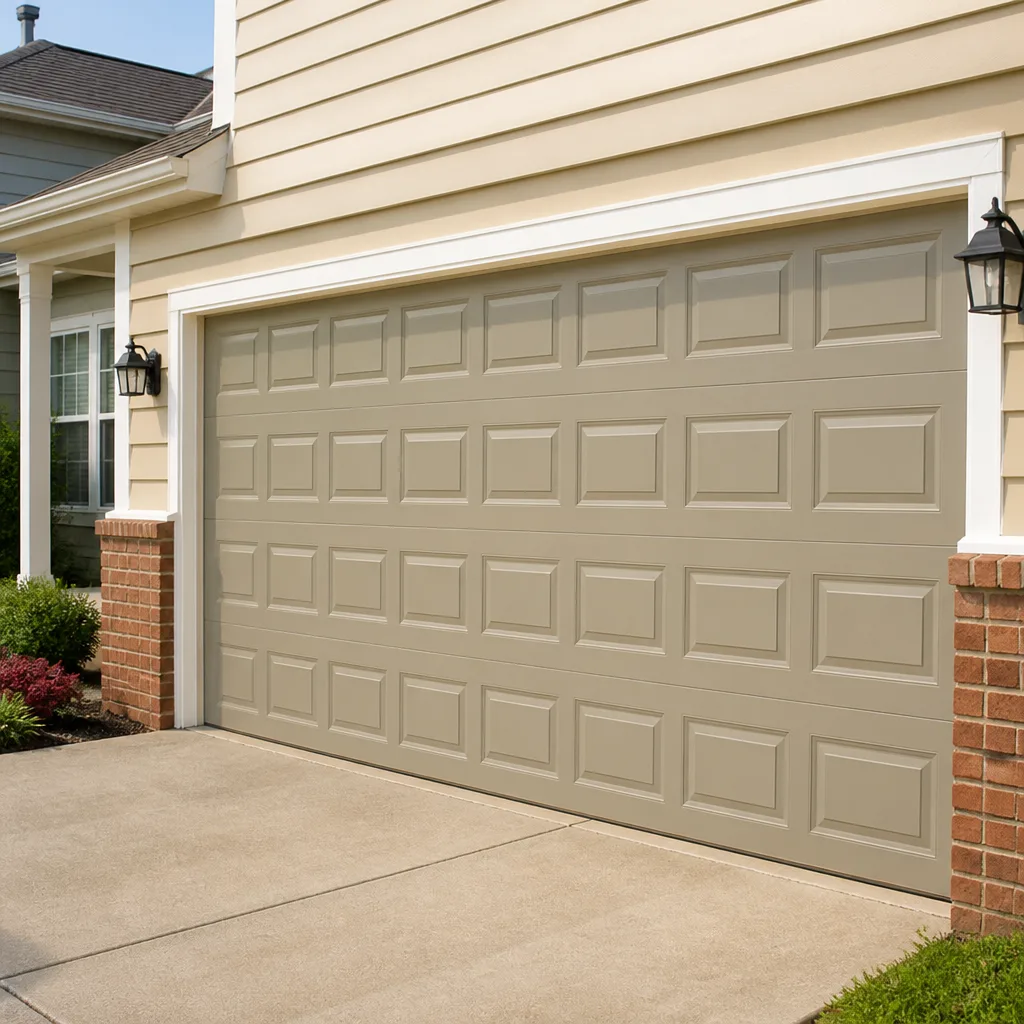 Raised-panel steel
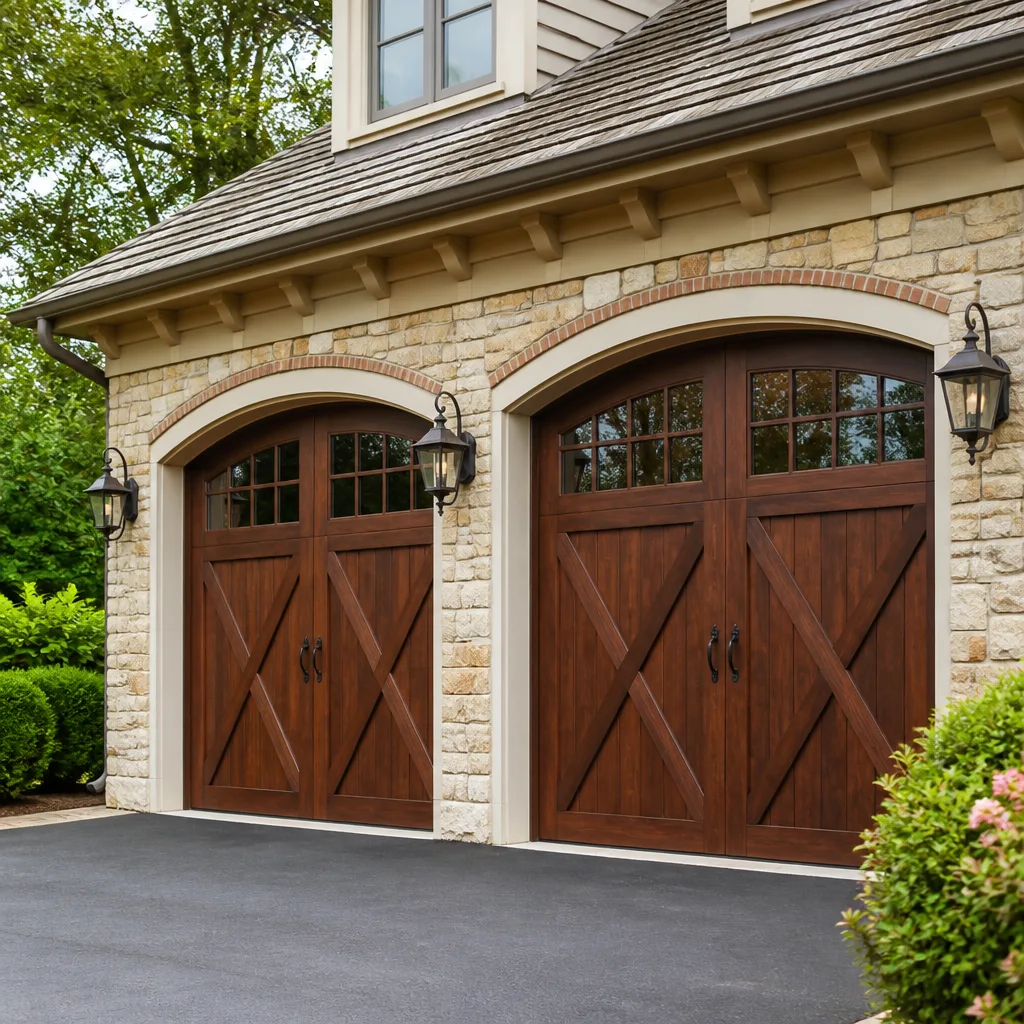 Carriage house
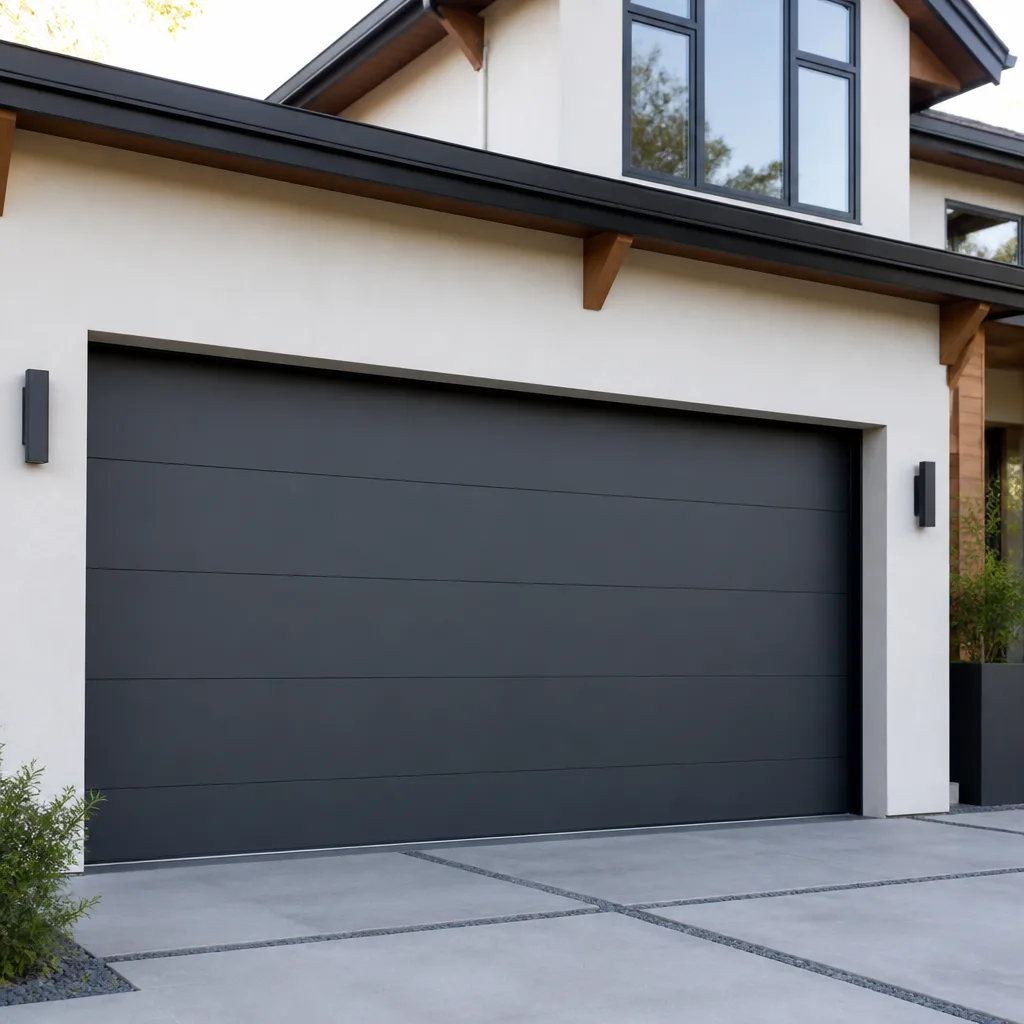 Modern flush
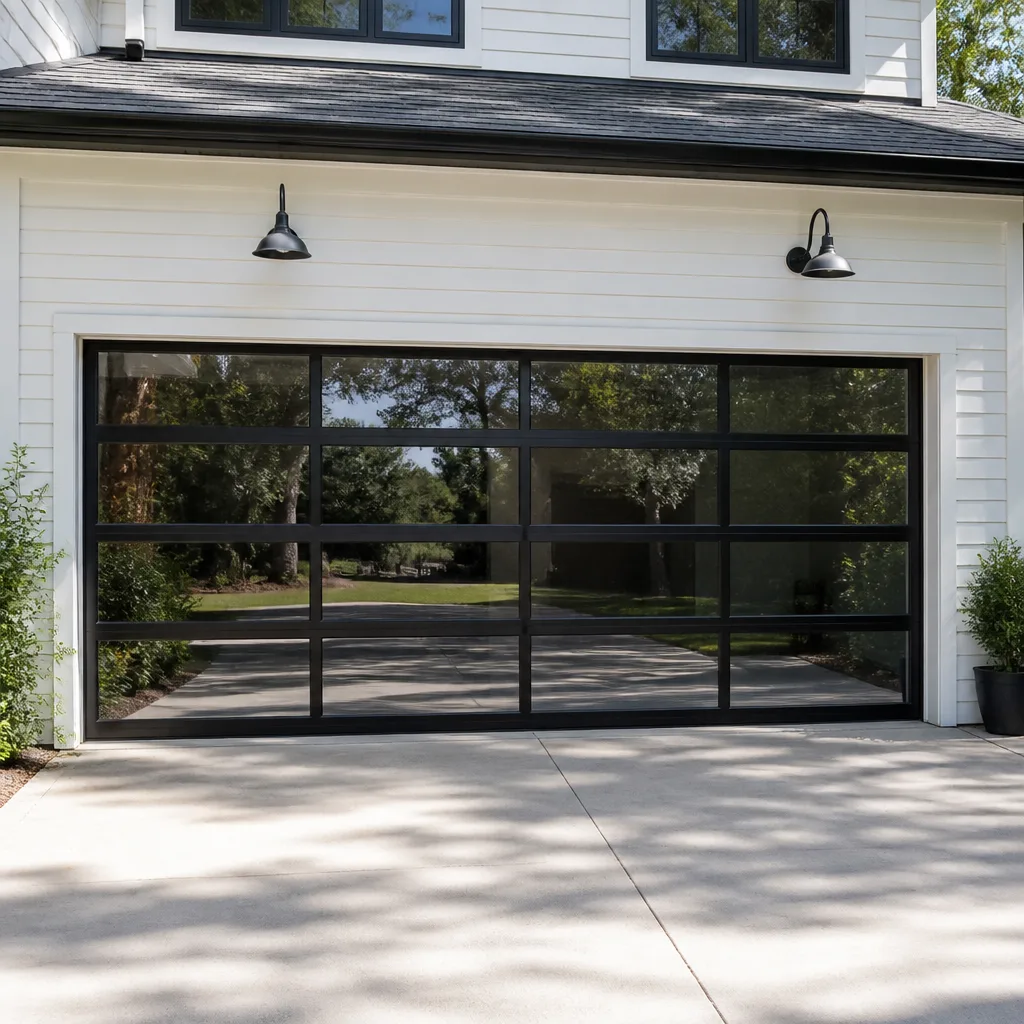 Full-view glass
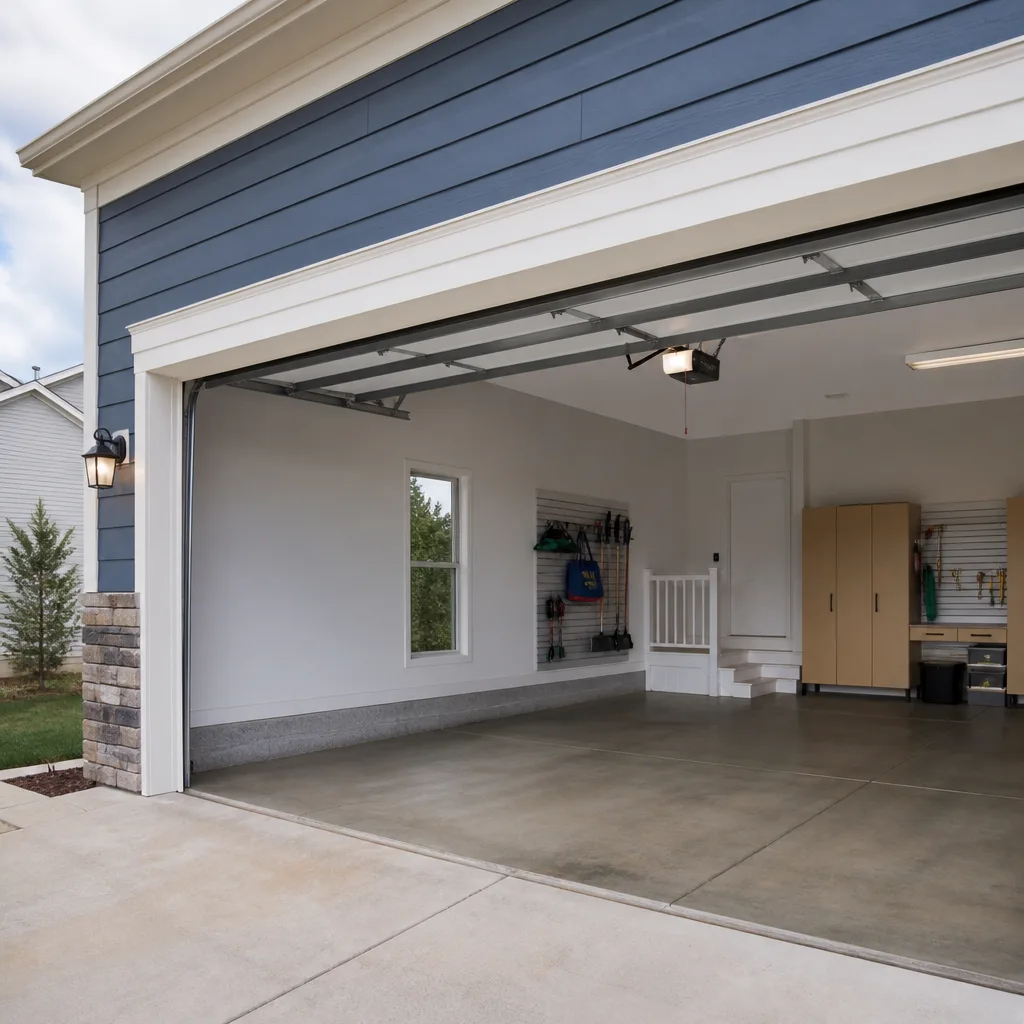 LiftMaster openers
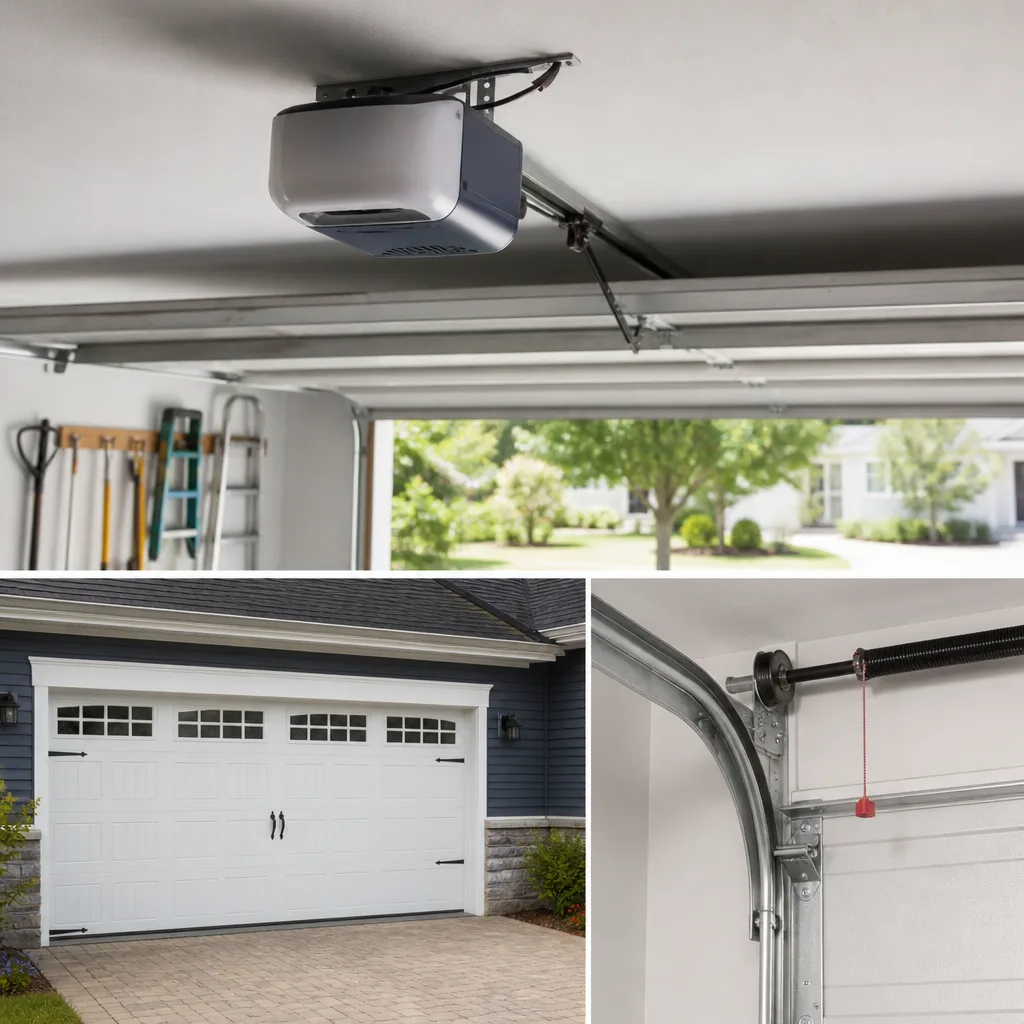 Chamberlain openers
Full 25-point door and opener safety check with every visit - springs, cables, rollers, tracks, and your LiftMaster or Chamberlain opener included
You get a price before we start. It does not change when the truck arrives.
Get your free estimateThe Complete Garage Door Repair Guide for Fountain Valley Homeowners
Most garage door failures in Fountain Valley aren’t random. They follow a pattern set by the marine layer, the salt breeze off Huntington Beach, and the temperature swings between June gloom and the Santa Ana winds. And knowing that pattern lets you intercept most breakdowns before they happen. This guide walks through what actually fails on Fountain Valley garage doors, when it fails, what you can safely handle yourself, and how to talk to a technician without getting oversold. For more guides & resources, see our blog. You’ll learn the climate-specific wear points, the brand quirks that matter, and the exact steps to document your door before you ever pick up the phone.
Styles & brands we work with
- Raised-panel steel
- Carriage house
- Modern flush
- Full-view glass
- LiftMaster openers
- Chamberlain openers
Quick Answer
Our Garage Door Repair services in Fountain Valley typically cost between $125 and $500 depending on which component has failed, with torsion spring replacement on the higher end and roller or sensor fixes on the lower end. Most repairs take under two hours once a technician arrives. The most common Fountain Valley-specific failures are corroded track hardware, rusted torsion springs, and opener logic boards degraded by humidity, and we’ll cover all three in detail below.
Table of Contents
- Why Fountain Valley’s Climate Is Harder on Garage Doors Than You’d Think
- The Anatomy of a Garage Door System: What Fails First, Second, and Third
- Early Warning Signs You Should Never Ignore
- What You Can Safely Fix Yourself (and What You Absolutely Shouldn’t)
- Brand-Specific Failure Patterns: Clopay, Wayne Dalton, Amarr, and Genie
- How to Document Your Door’s Specs Before Calling Any Technician
- What Garage Door Repair Costs in Fountain Valley: A Straightforward Breakdown
- Common Mistakes to Avoid
- When to Call a Professional
- Frequently Asked Questions
- The Bottom Line
Why Fountain Valley’s Climate Is Harder on Garage Doors Than You’d Think
Fountain Valley sits about four miles from the Pacific. That distance matters more than most homeowners realize. The marine layer that rolls in most evenings doesn’t just cool the air, it carries salt particles and sustained moisture. Your garage door is the largest moving part of your home, and it’s also the one most exposed to that nightly fog.
Here’s what that means in practical terms. Torsion springs in Fountain Valley rust faster than identical springs in, say, Riverside or Ontario. The salt air works into the coil gaps, and rust creates micro-pitting on the spring surface. A pitted spring develops stress fractures faster under tension. We’ve seen springs in coastal Fountain Valley neighborhoods fail one to two years earlier than their inland equivalents.
The same applies to track hardware. Galvanized track brackets hold up reasonably well, but the bolts, hinges, and bearing plates, often made from cheaper zinc-plated steel, corrode visibly within three to five years. When a roller hits a corroded track section, it creates resistance. That resistance puts uneven load on the opener motor and the springs. The whole system starts working harder, and working harder means failing sooner.
Humidity also affects electronics. Garage door opener logic boards, especially older Genie and Chamberlain units, are not sealed against sustained moisture. The micro-condensation that forms inside the opener housing during temperature swings can cause intermittent faults: the door stops halfway, the remote works inconsistently, or the safety sensors trigger for no visible reason. These intermittent problems are often misdiagnosed as sensor misalignment when the real culprit is board-level corrosion.
The good news is that most of this is preventable with the right maintenance cadence. Greasing springs twice a year, cleaning track channels, and checking for rust bloom on hardware goes a long way. But it starts with understanding that your door is not a universal appliance, it’s a system tuned to one zip code.
The Anatomy of a Garage Door System: What Fails First, Second, and Third
Your garage door isn’t one machine. It’s a system of interacting components, and in Southern California’s coastal climate, they fail in a predictable order. Understanding that order helps you budget and plan, and it helps you spot problems before they cascade.
What Fails First: Rollers and Hinges
Rollers are the most common first failure point in Fountain Valley. Most doors are equipped with nylon rollers with steel ball bearings. The bearings are not sealed, which means salt-laden humidity works its way inside over time. A worn roller flattens slightly, which makes the door rumble or jerk as it moves. Hinges follow closely behind, particularly the bottom two hinge positions, which carry the most weight and get the most exposure to ground-level moisture.
Typical lifespan in Fountain Valley: four to seven years for rollers, six to ten for hinges.
What Fails Second: Torsion Springs
Torsion springs are rated for a specific number of cycles, usually 10,000 for standard springs. A cycle is one open and one close. For a household that opens and closes the door four times per day, that’s roughly seven years. But Fountain Valley’s salt air accelerates spring fatigue. Rust on the coil surface creates friction between coils as the spring winds and unwinds. That friction generates heat, and heat weakens the spring steel. Real-world lifespan for a torsion spring in Fountain Valley: five to eight years, with failures concentrated between years six and seven.
When a torsion spring fails, it fails loudly. Most homeowners describe it as a bang, like a car backfiring in the garage. The door becomes extremely heavy because the spring was doing the lifting, not the opener. Do not attempt to operate the door manually after a spring breaks. The unbalanced weight can cause the door to slam down, and that’s a genuine safety hazard.
What Fails Third: Opener Components
Opener failures cluster around three areas: the logic board, the drive gear, and the travel limit module. In Fountain Valley, logic boards fail earlier than the national average because of the humidity factor we discussed. Drive gears, the plastic gear inside the opener housing that transfers motor power to the chain or belt, fail on a predictable timeline regardless of climate. Chain-driven openers tend to lose drive gears between years eight and twelve. Belt-driven openers last a bit longer because the belt absorbs some vibration that would otherwise translate into gear wear.
The Component Failure Timeline
- Years 1 to 3: Weather stripping degradation, sensor misalignment, remote battery replacement.
- Years 4 to 7: Roller wear, hinge loosening, spring rust becomes visible.
- Years 5 to 8: Torsion spring failure (the big one), track hardware corrosion.
- Years 8 to 12: Opener drive gear wear, logic board faults, cable fraying.
- Years 12 plus: Panel delamination, full system replacement becomes cost-effective.
This timeline assumes normal use and regular maintenance. A door that gets opened eight times a day will compress this schedule significantly. So will skipping lubrication for years at a time.
Early Warning Signs You Should Never Ignore
Most garage door failures give you warning weeks or months before they actually happen. The problem is that most homeowners don’t know what to listen for. Here’s what to pay attention to, and what each sign means.
Audible Signs
- A metallic squeak when the door moves: Friction in the rollers or hinges. This is usually a lubrication issue, but if lubricating doesn’t fix it within a day or two, a roller is failing.
- A grinding sound near the opener motor: The drive gear is wearing down. This one gets worse quickly once it starts.
- A popping or creaking from the springs themselves: The coils are binding. This can precede a spring failure by days or weeks.
Visual Signs
- Rust bloom on the torsion spring: A fine orange dust on the spring surface is the first visible stage of spring rust. At this point, the spring still has life in it, but it’s worth having it inspected.
- Frayed steel cables: The cables that run alongside the door and connect to the bottom brackets carry the spring tension. If they look frayed, do not let them break while the door is under load. Call a professional before operating the door again.
- A sagging door when open: If the door sags slightly to one side when fully open, the extension or torsion springs are losing tension. This is a slow-developing problem until it isn’t.
Operational Signs
- The door hesitates or reverses halfway down: This is often a limit switch issue, but in Fountain Valley’s humidity, it can also signal a logic board problem.
- The door closes unevenly: One side touches the ground before the other. This usually means a cable issue or track misalignment, not simply an adjustment problem.
The most important rule: if something changes about how your garage door sounds, feels, or moves, don’t wait. A garage door that behaves differently is a garage door that’s trying to tell you something.
What You Can Safely Fix Yourself (and What You Absolutely Shouldn’t)
There’s a narrow band of garage door maintenance that’s genuinely safe for a prepared homeowner. There’s also a specific set of repairs that carry real injury risk. We’re going to be direct about both because a real professional doesn’t encourage you to risk your hands or your safety to save a service call. See our DIY vs Professional Garage Door: The Fountain Valley Homeowner’s Decision Guide for more on this.
Safe for Most Homeowners
- Lubricating rollers, hinges, and springs. Use a silicone-based lubricant or white lithium grease. Apply to roller bearings, hinge pivot points, and the spring coils. Do this twice a year in Fountain Valley, ideally in March and September to coincide with the seasonal humidity shifts.
- Tightening loose bolts and brackets. The vibration of daily operation loosens hardware over time. A socket wrench on the track brackets, hinge bolts, and opener mounting points takes fifteen minutes and prevents a lot of problems.
- Cleaning the track channels. A dry cloth or a vacuum attachment removes the grit and salt residue that accumulates in the track. Do not use grease inside the track channel, it attracts dirt and makes things worse.
- Replacing the weather strip along the bottom of the door. This is a slide-in replacement on most doors. It seals out water, leaves, and pests, and it’s the simplest meaningful upgrade you can do yourself.
- Realigning photo-eye safety sensors. If the door opens fine but won’t close, check that the two sensors on either side of the door are pointed directly at each other. The small indicator light on each sensor should be solid, not blinking.
Do Not Attempt These Yourself
Torsion spring replacement is the number one injury risk in residential garage door work. A torsion spring holds hundreds of pounds of tension. If that tension releases while you’re working on it, the consequences can be severe. This is not a question of being handy. It’s a question of having the right winding bars, the right training, and the right respect for stored energy. Professional repair includes proper spring sizing and calibrated tension. It’s not worth permanent injury to save a few hundred dollars.
Steel cable replacement is nearly as dangerous. The cables work in tandem with the springs, and they’re under the same tension. A cable that snaps while under load can whip with enough force to break bone. If your cables look frayed, stop using the door and call a professional.
Opener motor replacement is less dangerous than spring work but carries electrical risk if you’re not comfortable turning off the breaker, working at height, and mounting a heavy unit. If any part of that description gives you pause, it’s a job for someone who does this every week.
For genuinely safe repairs that support your larger system, our Garage Door Repair in Fountain Valley page covers the maintenance checklist our technicians use.
Brand-Specific Failure Patterns: Clopay, Wayne Dalton, Amarr, and Genie
We know your brand. That matters more than most homeowners realize because different manufacturers have different weak points, especially when exposed to Fountain Valley’s salt air and humidity. Here’s what we see most often from the brands common in Fountain Valley neighborhoods.
Clopay Doors
Clopay doors are popular in Fountain Valley because their steel panel construction holds up well visually in coastal conditions. The weak point is the bottom panel. Clopay’s steel panels have a foam insulation core, and when the bottom weather strip wears down, water wicks up into the panel seam. Over time, that leads to rust along the bottom edge and eventually panel delamination. Replace the bottom weather strip proactively on a Clopay door, and inspect the bottom panel corners every spring.
Wayne Dalton Doors
Wayne Dalton has a specific design with their TorqueMaster torsion system. Unlike a standard exposed torsion spring, the TorqueMaster houses the spring inside a tube. The problem is that Fountain Valley’s humidity causes internal rust that you can’t see from the outside. A Wayne Dalton door that’s getting hard to lift may look fine on the outside while the internal spring is rusting quietly. If you have a Wayne Dalton door and it’s more than seven years old, it’s worth a professional inspection even if nothing is visibly wrong.
Amarr Doors
Amarr doors use a heavier-gauge steel than most competitors, which is why they hold up better against the salt air. The trade-off is weight. Amarr doors are heavier, which means the torsion springs work harder. What we see in Fountain Valley is that Amarr doors hold their panels beautifully but go through springs slightly faster than lighter doors. If you own an Amarr, budget for spring replacement at the earlier end of the five-to-eight-year window.
Genie Openers
Genie openers are workhorses, but their older model logic boards are particularly vulnerable to humidity. The Genie IntelliCode system, on models from the early 2010s, uses a board-mounted receiver that’s not fully sealed. When condensation forms inside the opener housing, you get intermittent remote failures: the remote works in the morning but not after a humid night. Replacing the board is often the fix, and at that point, it’s worth comparing replacement cost against a new opener. For a deeper look at opener-specific issues, see our Garage Door Opener Repair in Fountain Valley page.
How to Document Your Door’s Specs Before Calling Any Technician
This section will save you money. When a technician arrives at your door, the more you know about your own system, the harder it is for anyone to oversell you parts you don’t need. And documenting your door takes less than ten minutes.
Step One: Find the Model Label
Every garage door has a manufacturer label, usually on the inside of the top panel or on the side of one of the bottom panels. The label includes the model name, door size, and sometimes the manufacture date. Take a photo of it with your phone.
Step Two: Document the Springs
Count the springs. Most residential doors have one or two torsion springs above the door opening, or two extension springs along the sides. Note whether your springs are exposed or inside a tube (this matters for Wayne Dalton doors specifically). If the spring has visible color-coded winding or rating marks, photograph those too. The spring color or wire size tells a professional the spring rating, which should be matched exactly on replacement.
Step Three: Identify Your Opener
Your opener has a brand label on the motor housing. Note the brand, the model number, and whether it’s chain-driven or belt-driven. This matters because opener repair and replacement require matching parts to the motor’s specifications. A lifting motor that’s too small for your door will burn out early. One that’s oversized may cost you more than you needed to spend.
Step Four: Measure the Door
Measure the width and height of the door opening. Standard sizes in Fountain Valley are 8 feet wide by 7 feet tall for single doors and 16 by 7 for doubles, but custom sizes exist. The exact dimensions matter for replacement panels and complete door installation.
Step Five: Note the Age
If you don’t know when the door was installed, look at the opener’s model number. Manufacturers release opener models in cycles, and a quick web search will tell you the production era. This gives a rough sense of the door’s age, since most doors and openers are installed together.
Having this information ready means that when you call for service, the conversation starts from a place of clarity. You’ll be able to describe exactly what you have, and the technician will be able to bring the right parts on the first visit. For broader questions about whether repair or Garage Door Installation in Fountain Valley is the better long-term move, your documentation makes that conversation much more productive.
What Garage Door Repair Costs in Fountain Valley: A Straightforward Breakdown
We believe in quoting a price before any work starts, and we think you should expect that from anyone you call. Here’s what typical repair costs look like in Fountain Valley, based on the most common jobs we see.
Typical Repair Cost Ranges
- Roller replacement: $125 to $200, including parts and labor for a standard set.
- Hinge replacement: $100 to $180, depending on how many hinges need replacing.
- Torsion spring replacement: $280 to $450 for a standard two-spring system, including parts and calibrated installation.
- Cable replacement: $150 to $250, often done in pairs as a safety practice.
- Track adjustment or repair: $150 to $300, depending on whether sections need replacement.
- Opener logic board replacement: $180 to $350, depending on the opener brand and board availability.
- Full opener replacement: $350 to $600 for a quality belt-driven unit installed, depending on features.
- Complete door replacement: $1,200 to $2,800 for a standard single door, installed, depending on material, insulation, and design.
Every one of these prices should be quoted and agreed before work starts. If a company won’t give you a written number before they begin, that’s a red flag. The price should not change once the technician sees the door unless they find something genuinely unrelated to the original problem, and even then, they should stop and get your approval before adding work.
One more thing: emergency calls, meaning nights, weekends, and holidays, often carry a premium. If you can schedule non-emergency work during business hours, you’ll usually pay less. For a complete guide to repair costs in this area, see Garage Door Repair in Fountain Valley.
Common Mistakes to Avoid
- Ignoring the squeak. A squeaky garage door is a roller or hinge telling you it’s wearing out. Ignoring it for six months turns a $150 repair into a $400 repair when the worn roller damages the track.
- Lubricating with WD-40. WD-40 is a solvent, not a long-term lubricant. It dissolves existing grease and leaves metal surfaces more vulnerable to corrosion. Use a silicone-based lubricant or white lithium grease instead.
- Replacing one torsion spring instead of both. If one spring has failed, the other is the same age and has the same wear. Replacing both at once costs more upfront but prevents a second service call within a year. It’s the difference between a professional repair and a patch job.
- Painting over rust on hardware. Rust on springs or cables is structural, not cosmetic. Painting over it hides the problem while the metal continues to weaken underneath.
- Letting a handyman service your garage door. Garage door systems carry stored mechanical energy in springs and cables. General handymen may not own the specialized winding bars or training to work safely with torsion springs. Your garage door is your home’s largest moving part, and it deserves a specialist.
- Choosing the cheapest quote without asking why. A quote well below market rate usually means one of two things: lower-quality springs with fewer cycles, or a tech who rushes the job. Neither one serves you well over a five-year horizon.
When to Call a Professional
Call a professional when the springs break, when the cables fray, when the door comes off its track, or when the opener fails intermittently and you’ve ruled out sensor alignment and remote batteries. Call one when you hear a sound you haven’t heard before and can’t identify the source. And call one when you’re uncertain about any repair that involves stored tension.
Steward Garage Door Repair offers free estimates in Fountain Valley, and we’ll tell you honestly whether a repair is worth doing or whether replacement makes more sense long-term. Our technicians arrive already familiar with your brand, because we service eight of the most widely owned door and opener brands on the market. The price is always quoted and agreed before any work starts. Call (877) 759-1759.
Frequently Asked Questions
Torsion spring replacement in Fountain Valley typically costs between $280 and $450 for a standard two-spring system, including parts and calibrated installation. Variables include the spring wire size, whether you have one or two springs, and whether it’s a standard or high-cycle spring. Call (877) 759-1759 for an exact quote, estimates are free.
Yes, for emergency failures like a broken spring or a door off its track, same-day service in Fountain Valley is often available. We prioritize safety hazards because a broken-spring door is dangerous to operate. Call (877) 759-1759 and describe what happened, and we’ll tell you when we can be there.
No, the quote you receive should be for the complete job, including parts and labor. The price is confirmed before any work begins. If the technician finds an unrelated issue during the repair, any additional work should be quoted separately and only performed with your approval.
Yes, we carry the most common replacement parts on the truck, including torsion springs in standard sizes, rollers, hinges, cables, and weather stripping. This means most repairs are completed in a single visit. For less common parts, we can usually source them within a day or two.
In Fountain Valley’s coastal climate, a standard torsion spring typically lasts five to eight years, with most failures occurring between years six and seven. Salt air accelerates rust on the spring coils, which shortens the lifespan compared to inland cities. High-cycle springs can double that lifespan and are worth considering if you plan to stay in your home long-term.
Yes, roller replacement is one of the safer DIY repairs if you’re comfortable working at ladder height and your door has rollers that clip into place. However, the bottom roller positions on many doors are attached to the same bracket as the lift cables, and those should never be removed without releasing spring tension first. If the bottom rollers need replacing, that’s a job for a professional.
The Bottom Line
Your garage door in Fountain Valley faces a specific set of conditions: salt air, nightly humidity, and seasonal temperature swings. Those conditions accelerate wear on springs, rollers, and opener electronics in ways that generic repair guides don’t explain. Knowing the failure timeline lets you plan, knowing the warning signs lets you act early, and knowing your own system’s specs lets you deal with any technician from a position of strength. Repair it right, or replace it with confidence. One call covers the door and the opener. And when you call, call someone who knows your brand. Call Steward Garage Door Repair at (877) 759-1759.
Written by the team at Steward Garage Door Repair, serving Fountain Valley since 2014.
See the difference
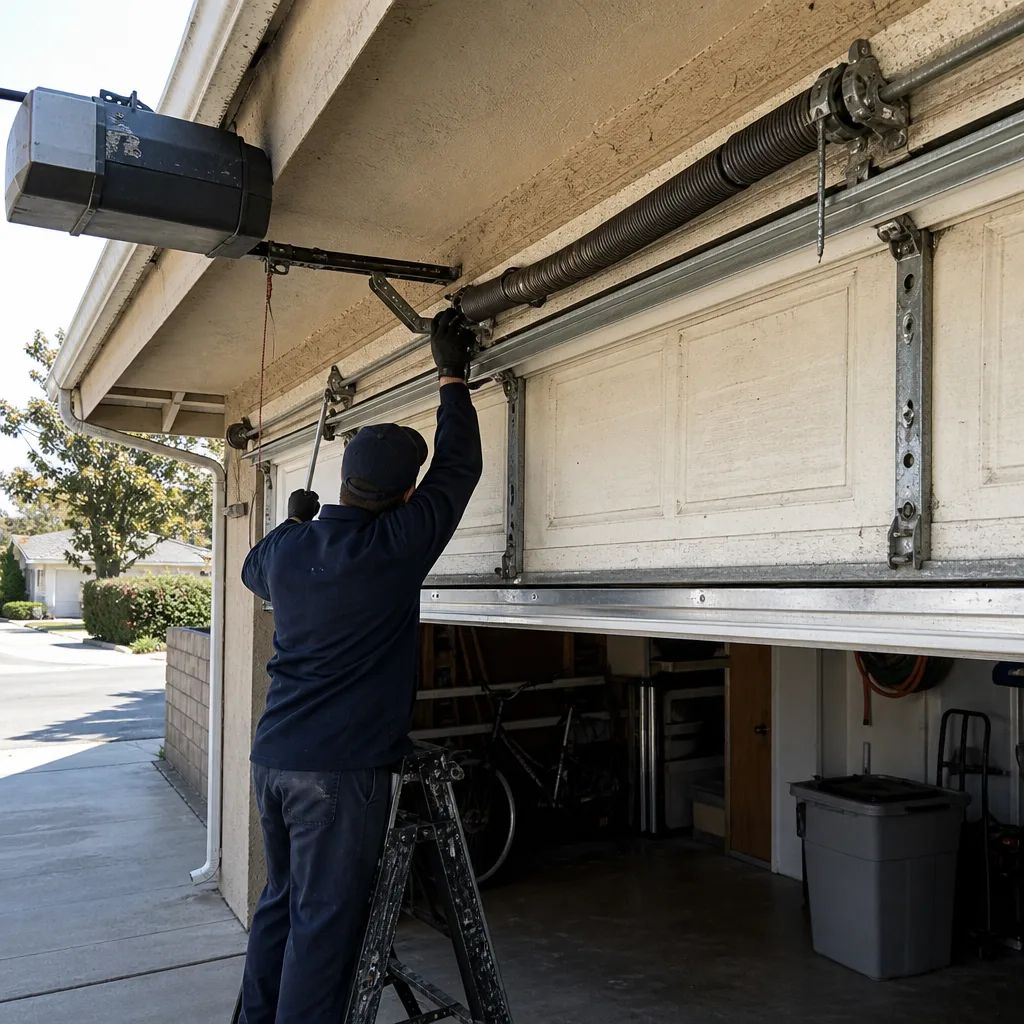 Before
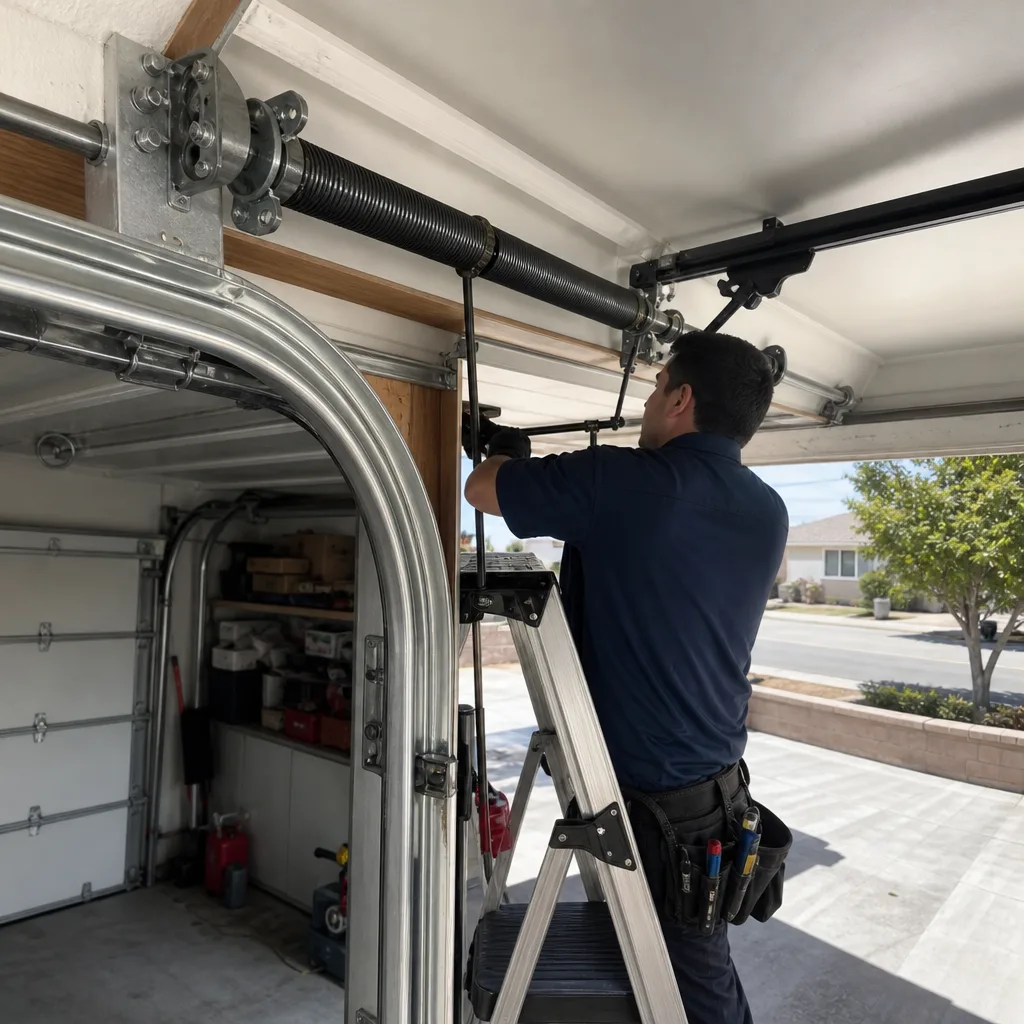 After
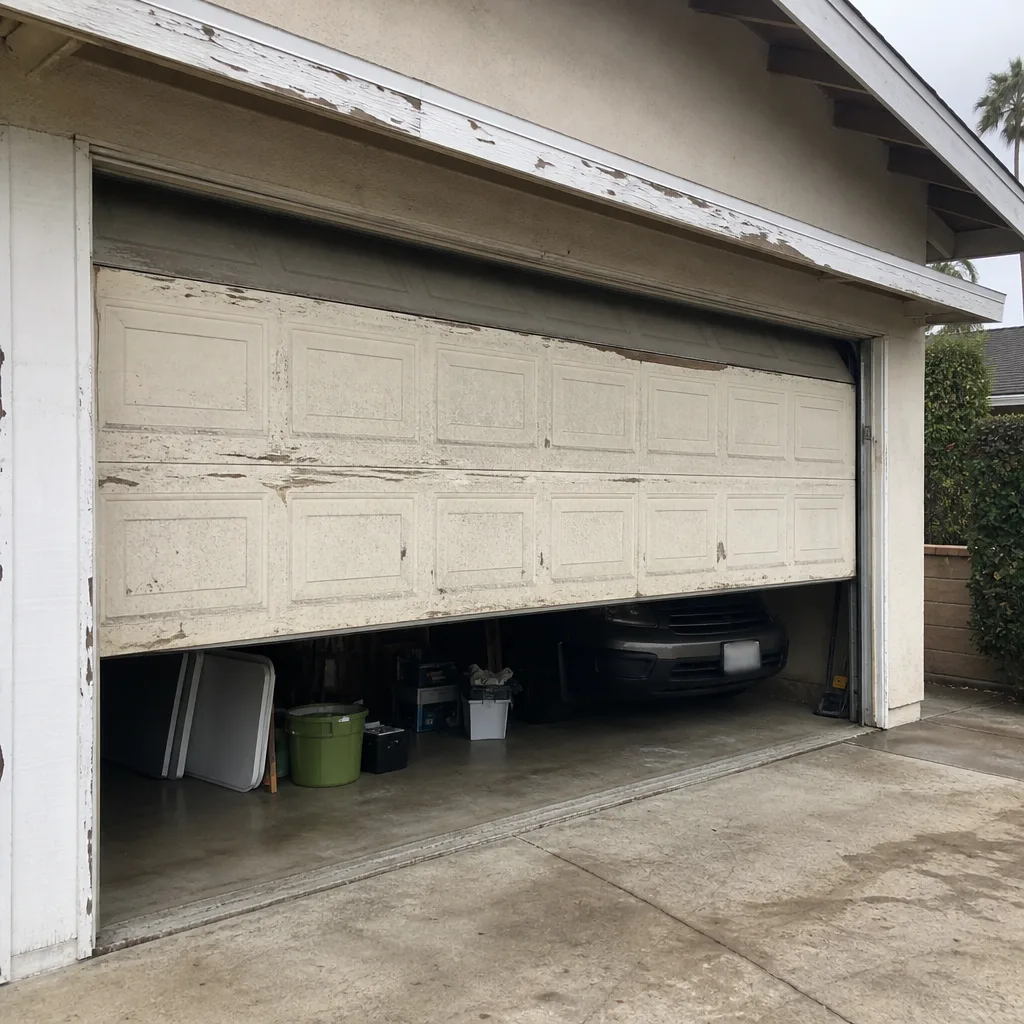 Before
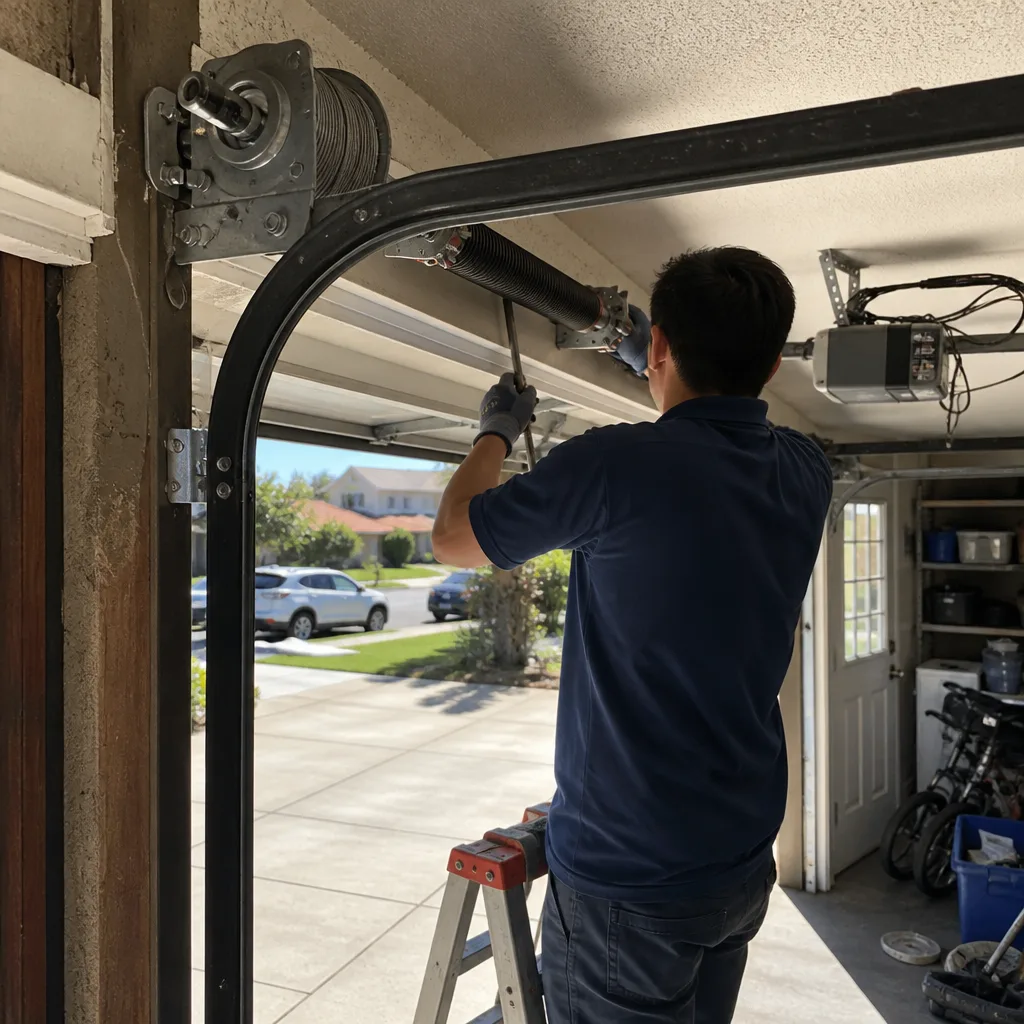 After
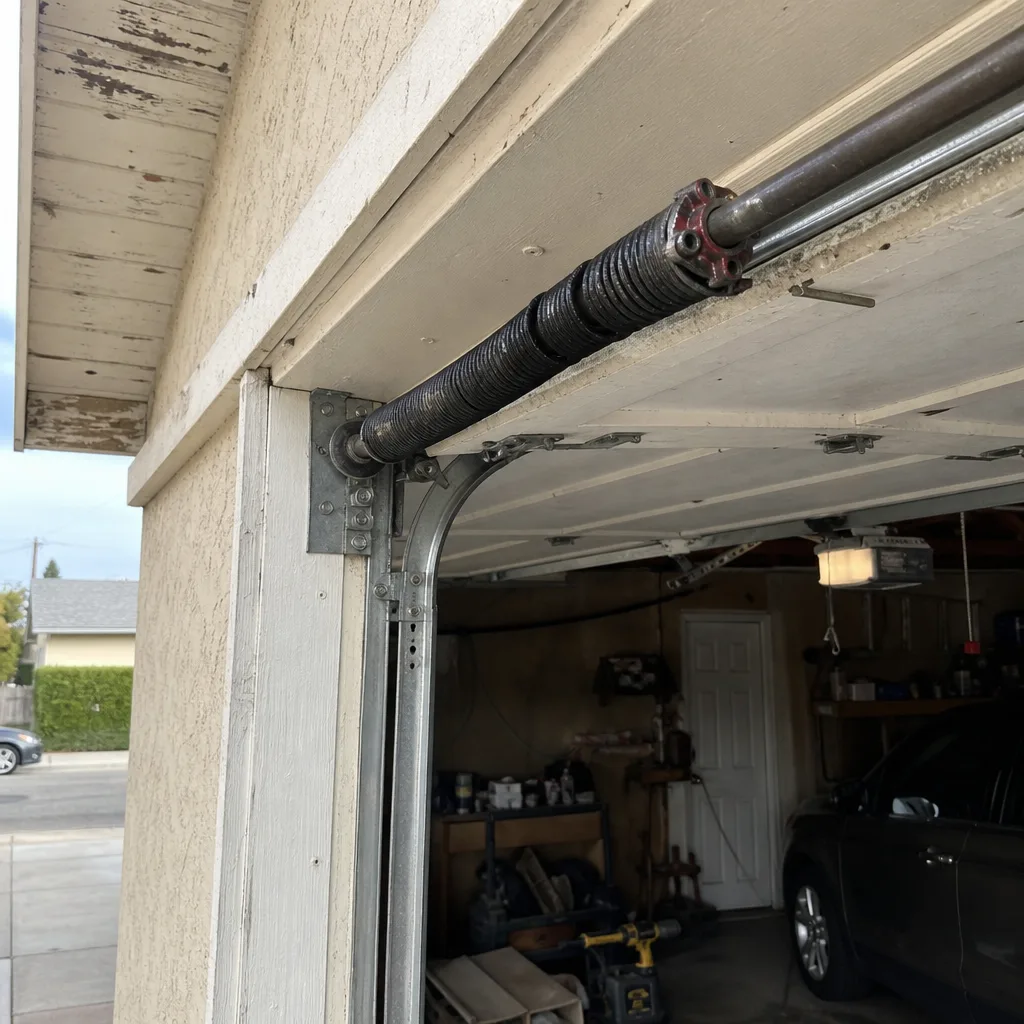 Before
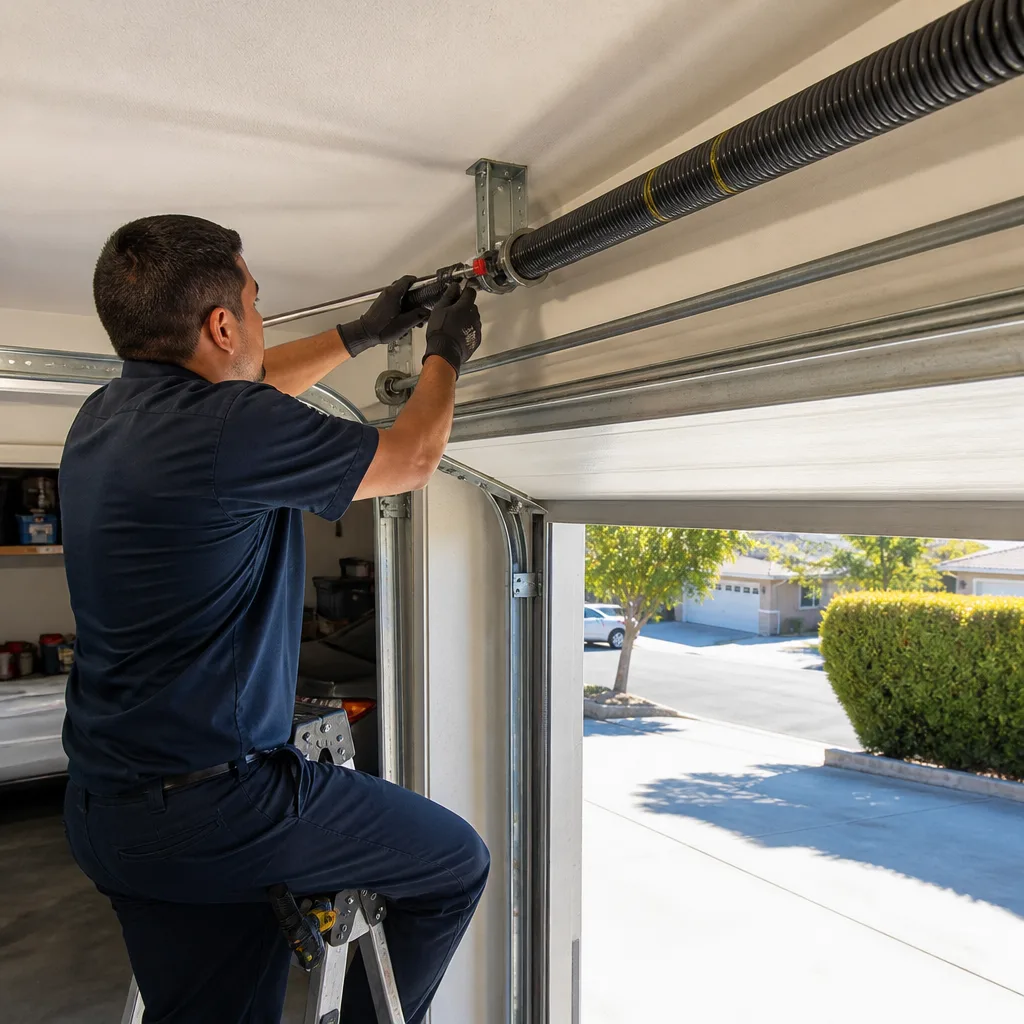 After