
Last updated November 2, 2026
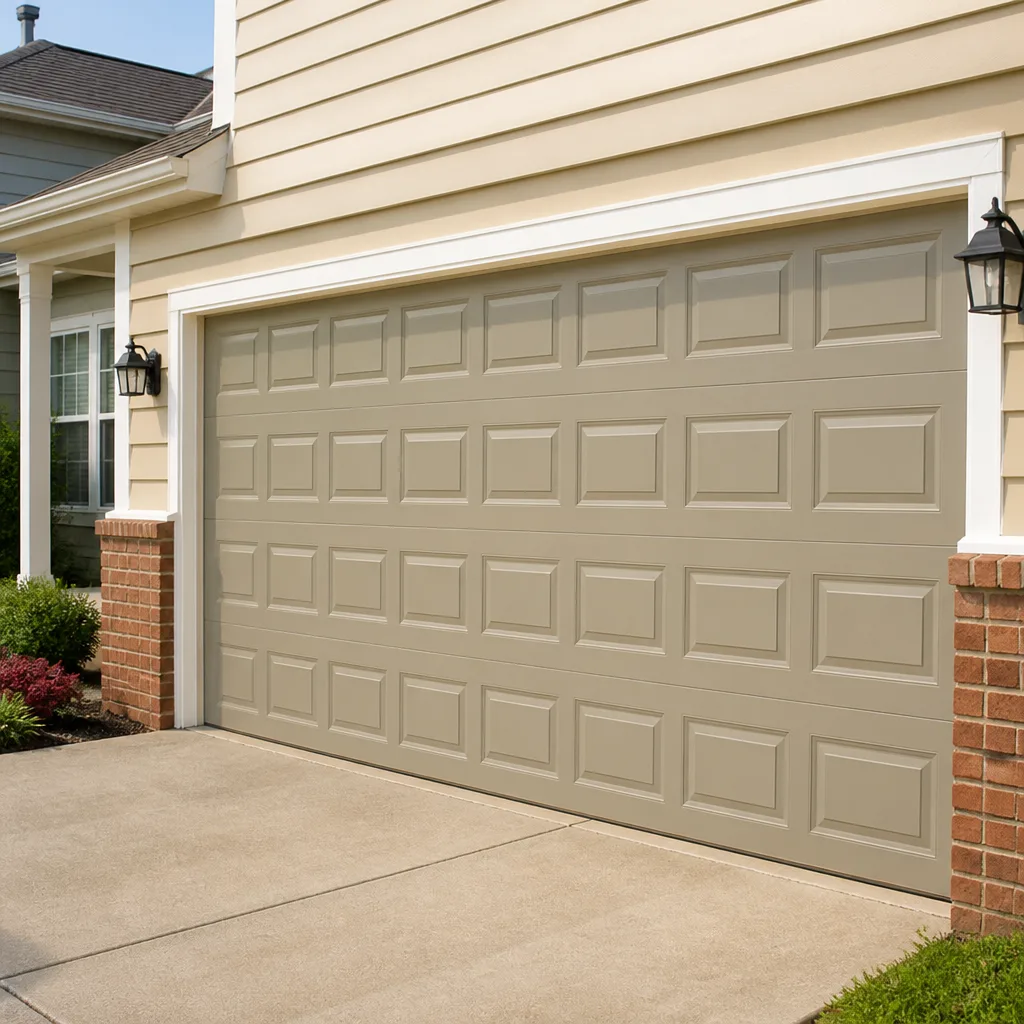 Raised-panel steel
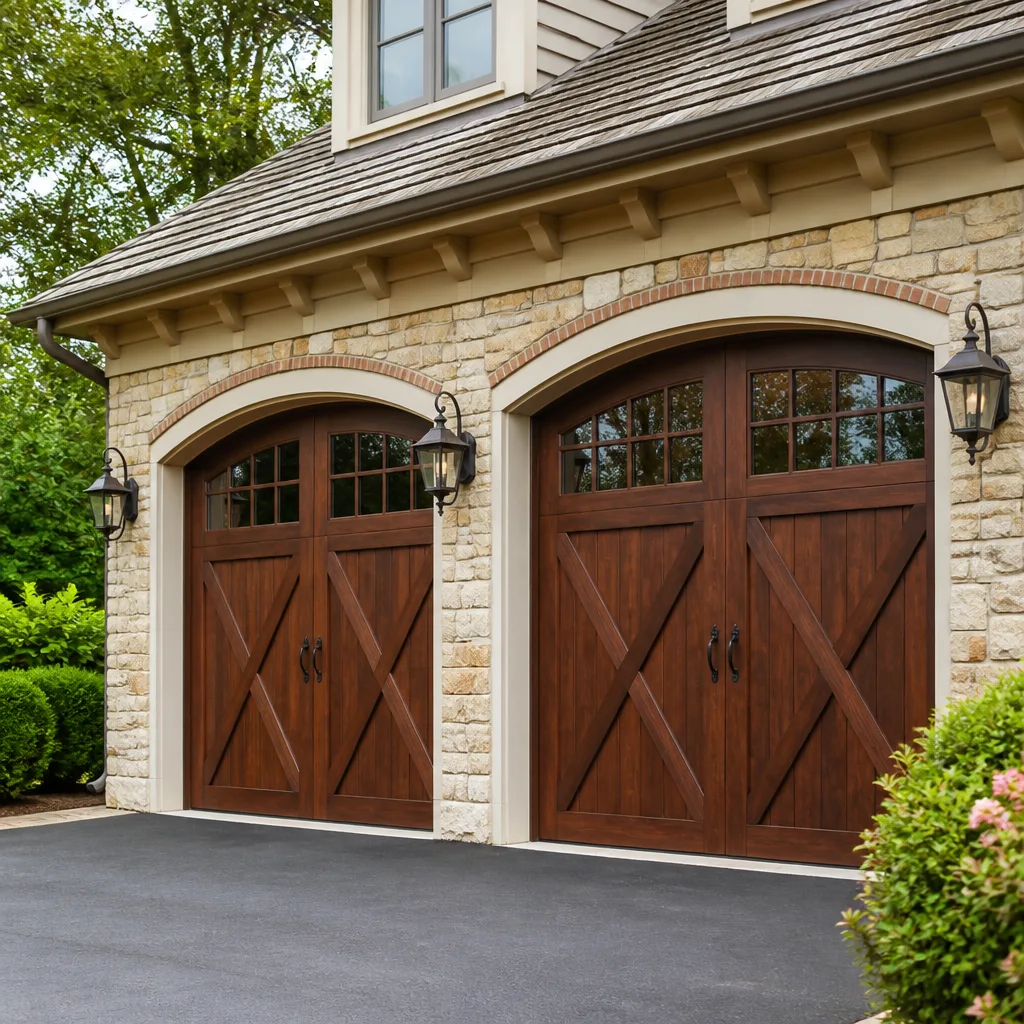 Carriage house
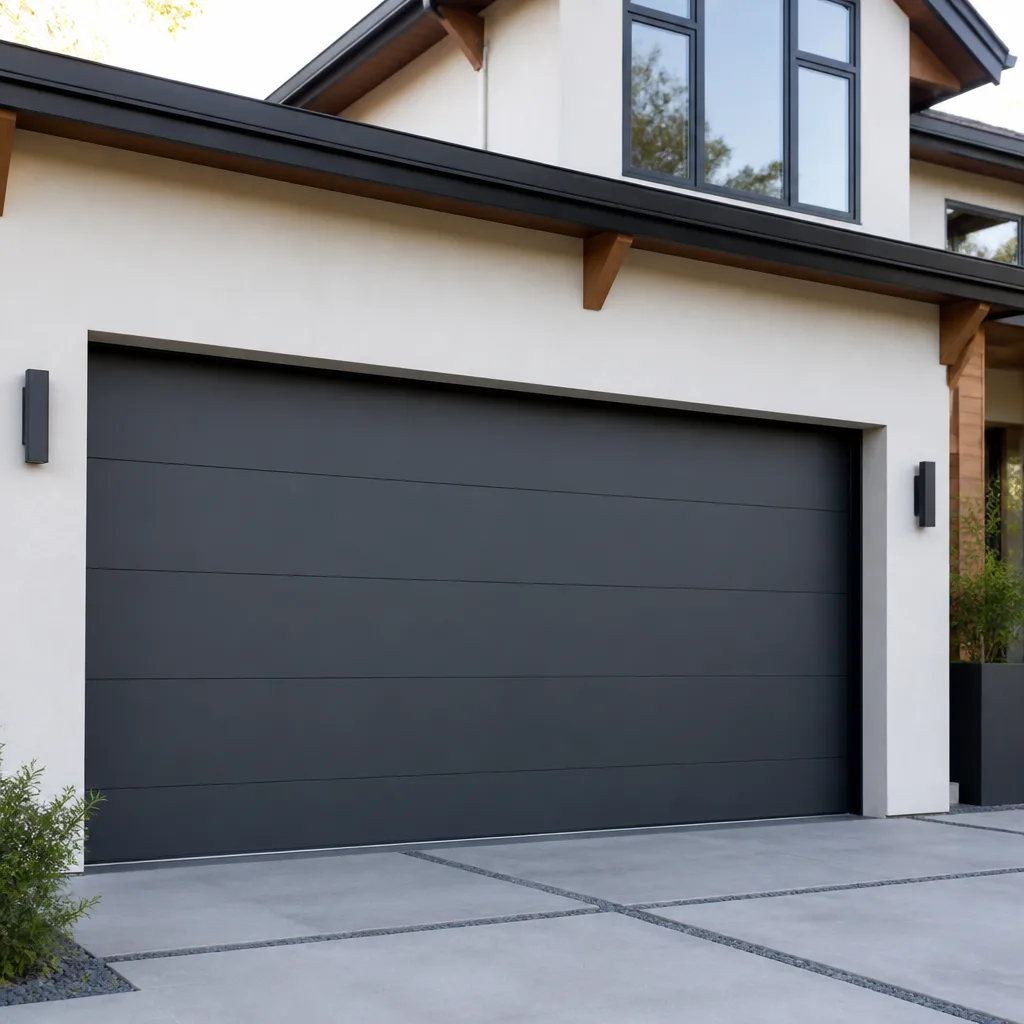 Modern flush
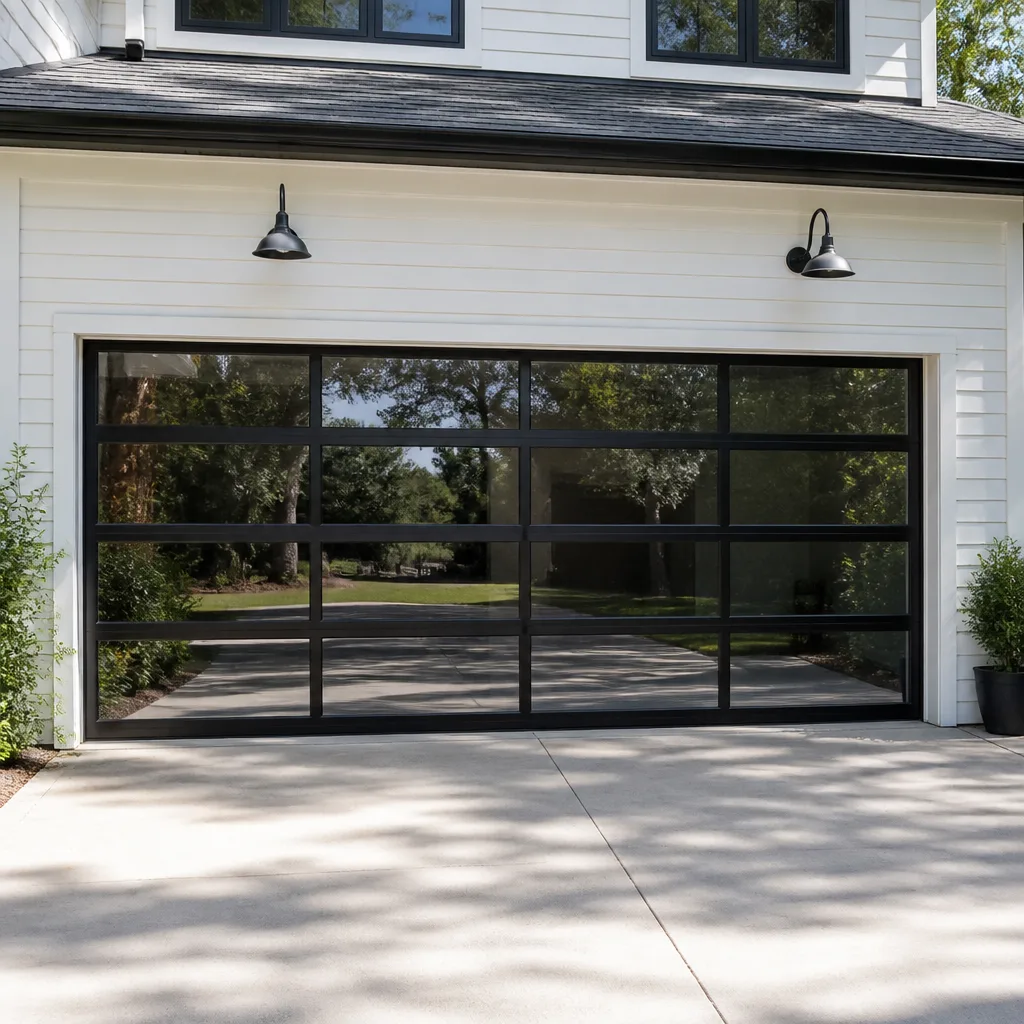 Full-view glass
 LiftMaster openers
 Chamberlain openers
Full 25-point door and opener safety check with every visit - springs, cables, rollers, tracks, and your LiftMaster or Chamberlain opener included
You get a price before we start. It does not change when the truck arrives.
Get your free estimateGarage Door Warning Signs: A Fountain Valley Homeowner’s Reference Guide
Here’s a number that surprises most homeowners we talk to: your garage door moves more in a single year than your front door will move in three decades. If you park in the garage and leave through it each morning, that’s roughly 1,500 open-and-close cycles annually. And here’s the part that matters for Fountain Valley specifically: our coastal air carries salt and moisture that accelerates wear on rollers, hinges, and springs in ways that inland cities like Santa Ana or Garden Grove simply don’t experience. This guide walks you through every warning sign your garage door can give you, what it means, and most importantly, whether you need to act now, act soon, or just keep an eye on it. For related advice, see our guide on How to Hire a Garage Door Contractor in Fountain Valley: A Step-by-Step Guide. By the time you finish reading, you’ll know exactly what that noise in your garage is trying to tell you.
Styles & brands we work with
- Raised-panel steel
- Carriage house
- Modern flush
- Full-view glass
- LiftMaster openers
- Chamberlain openers
Quick Answer
The most common garage door warning signs in Fountain Valley are grinding or scraping noises during operation, a door that hesitates or moves unevenly, visible rust or fraying on springs and cables, and an opener that reverses or struggles under load. A one-sided sag when the door opens usually points to spring fatigue, while a door that won’t stay up when released manually is a spring failure risk that needs professional attention immediately. Most noise-related issues cost under $100 to fix if caught early; ignoring them can turn into a $300-$600 spring replacement or a full opener rebuild within six months.
Table of Contents
- Noise Triage: What That Sound Actually Means
- Visual Signs of Torsion Spring Fatigue (Ground-Level Checks)
- Opener Behavior Changes: Motor, Sensor, or Track?
- Round-Rail vs. Belt-Driven Openers: Noise Patterns That Differ by Design
- How Fountain Valley’s Climate Accelerates Spring and Cable Wear
- Six Warning Signs You Can Check in Ten Minutes
- Common Mistakes to Avoid
- When to Call a Professional
- Frequently Asked Questions
- The Bottom Line
Noise Triage: What That Sound Actually Means
A garage door makes three categories of noise, and they mean very different things. Learning to distinguish them is the single most useful diagnostic skill a Fountain Valley homeowner can develop. Here’s the breakdown, based on what we hear on service calls from Huntington Beach to Costa Mesa every week.
Grinding is a low, rough, “rocks in a coffee can” sound that usually comes from the door’s track or roller system. It means metal is touching metal where it shouldn’t be. In most cases, the rollers have worn past their bearing tolerance and the steel wheel is now scraping directly against the track. One or two rollers wearing out is a $25 to $60 fix. All eight or ten rollers gone means a $180 to $260 job. The faster you catch it, the less you pay. Grinding is rarely an immediate danger, but it’s a wear signal you should not ignore for more than a few weeks.
Scraping is sharper and higher-pitched, more like a fingernail on a blackboard than a rumble. Scraping usually means the door itself is out of alignment and the edge of a panel is dragging against the jamb, or a hinge is catching on the track bracket. A door that scrapes on one side only is telling you that one torsion spring is working harder than the other, or that the door has shifted on its mounting hardware. Scraping is worth checking this week. Left alone, an out-of-alignment door will slowly chew through its own rollers and hinges at double or triple the normal rate.
Popping is distinct from both. A sharp ‘pop’ during operation, especially when the door changes direction or passes a specific point in the track, usually indicates a section of track that has a kink or a misaligned joint. Each pop is a roller hitting that kink. Repeated popping at the same spot will eventually fatigue the roller stem and can cause the door to bind mid-cycle. If you hear popping, mark where it happens and run the door again to confirm. A single kinked track section is often fixable in under an hour.
And there’s one more sound that should stop you cold: a loud crack or bang, like a gunshot, from above the door. That’s not a warning sign. That’s a torsion spring snapping under load. If you hear it, do not operate the door manually or with the opener. A snapped spring leaves the full weight of the door (typically 150-250 pounds for a double garage), on the remaining spring, cables, and opener. Call a professional immediately. This is not a DIY repair. Torsion springs are wound under enormous torque, and incorrect handling causes serious injury every year.
Visual Signs of Torsion Spring Fatigue (Ground-Level Checks)
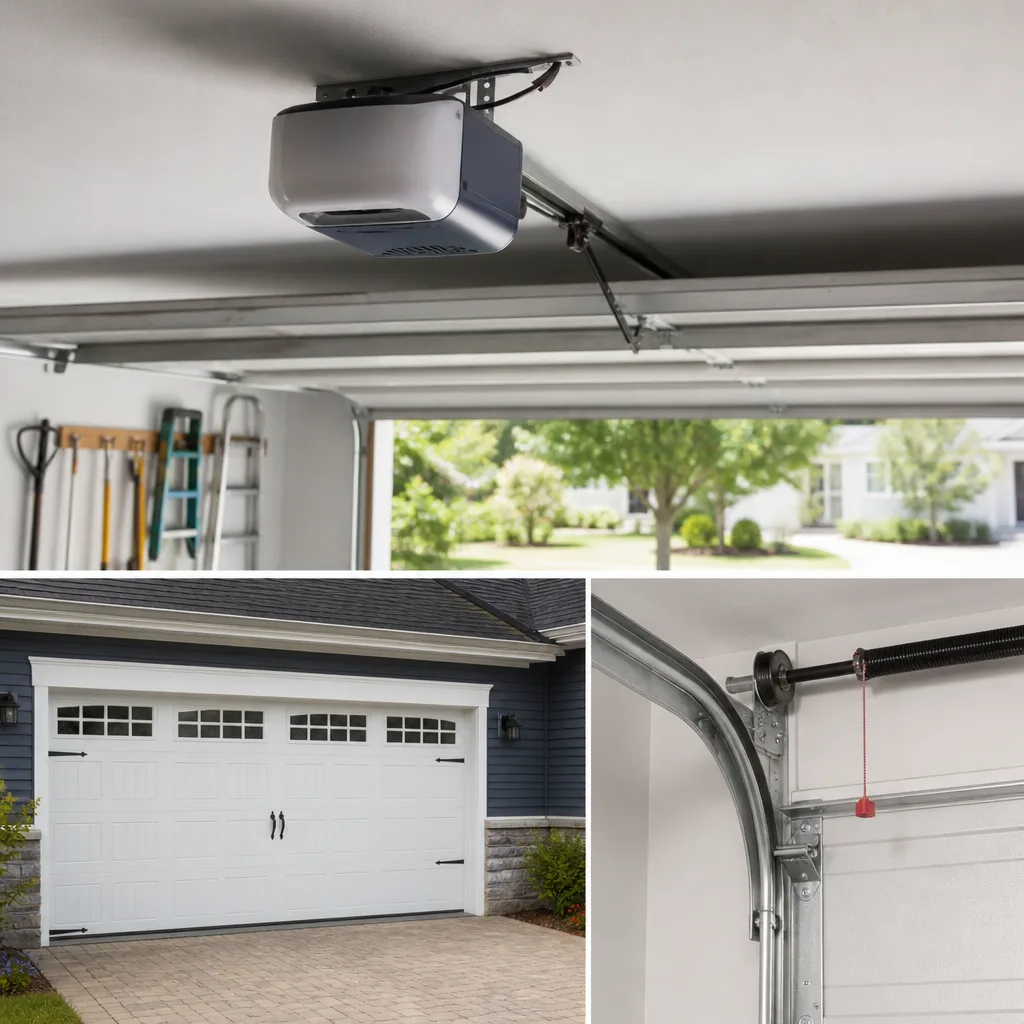
Torsion springs are the two coiled steel springs mounted horizontally on the bar above your garage door opening. They counterbalance the door’s weight, which means they do the real lifting while the motor only guides movement. A typical torsion spring in Fountain Valley lasts 10,000 to 20,000 cycles, which works out to roughly 7 to 14 years of daily use. But our local conditions compress that timeline.
Here’s what you can safely observe from the ground, without touching anything or getting on a ladder:
- Look for a visible gap in the spring coil. A healthy torsion spring is one continuous coil from end to end. If you see a space where the coil looks like it’s separating into two pieces, even slightly, the spring has already fractured. It may still be lifting the door somewhat because the break hasn’t fully separated yet. That’s a matter of when, not if, it fails completely.
- Check for rust bleeding onto the shaft. A light surface rust on the spring is cosmetic. But if you see orange staining running down onto the center bearing plate or the spring pad, the metal is degrading from the inside out. Salt air from our proximity to the coast is the main driver. One rainy season in Fountain Valley can do more to a spring than five dry years in Riverside.
- Watch how the door opens the first foot. When you run the opener, look at the left and right sides of the door as it lifts. A door with healthy springs rises evenly, both sides lifting at exactly the same moment. If the right side lifts a half-beat before the left, or if the door dips toward one side during the first 12 inches of travel, one spring is doing more work than the other. That imbalance doubles the wear on the stronger spring and will eventually snap it.
- Look at the cable tension. The lifting cables run vertically on both sides of the door. In a healthy system, both cables are taut at every point in the cycle. If one cable hangs slightly loose or has slack when the door is closed, the spring on that side has already lost tension. This is an early warning sign that most homeowners miss entirely, because they never think to look at the cables.
We repair springs for every major brand that uses torsion systems, and the failure patterns are consistent regardless of make. What changes is the spring spec, which is why Garage Door Repair in Fountain Valley always involves a spring-matching step. Installing the wrong spring size creates an imbalance that warps the entire system within a season.
Opener Behavior Changes: Motor, Sensor, or Track?
Your garage door opener has a limited vocabulary. It communicates through three behaviors: speed, hesitation, and reversal. Each pattern points to a different subsystem, and misdiagnosing one as another is the most frequent error we see from generalist handymen.
Slower Movement Than Usual
If the door has always taken about 8-10 seconds to open and now takes 14 or 16, the motor is working harder than it should. This is rarely a motor problem. In 8 out of 10 cases, a slow door means the springs have lost enough tension that the motor is now carrying more of the load than it was designed for. The motor’s upper limit is approximately 1/3 of the door’s weight, which is why openers are called “assist” devices rather than “lift” devices. A slow door is your opener telling you the springs need attention. On a LiftMaster, this often shows up as a slight whining pitch change during the first 2 seconds of operation. On a Chamberlain, you may notice the LED work light dimming slightly under the extra load. On a Genie, the screw drive begins to sound more like a belt drive as the motor strains.
Hesitation Mid-Cycle
A door that stops briefly about a third of the way up, then continues, is usually a track problem rather than a motor problem. What you’re hearing is the door hitting a section of track that’s slightly pinched, or a roller with a flat spot catching on a joint. The opener’s force sensor briefly engages, detects the resistance, and pushes through it. If the hesitation happens at the same spot every time, clean the track with a dry cloth and visually inspect the section for a bent flange. Many track issues in Fountain Valley homes come from years of coastal humidity causing the mounting brackets to shift slightly on the wall. The fix is often as simple as loosening and re-tightening two bracket bolts.
Door Reverses Before Closing
This is the behavior that generates the most confused phone calls, because the homeowner assumes the safety sensors are dirty. And sometimes they are. But if you’ve wiped the sensor lenses and the door still reverses mid-close, check the track alignment. A door that’s shifted slightly right or left will bind as it approaches the ground, and the opener’s internal force limiter will interpret that binding as “something is in the way” and reverse the door. This is the opener doing its job. The problem is almost always mechanical alignment, not electronics. Chamberlain and Genie openers are especially sensitive to this, which is good for safety but also means a minor track shift that a LiftMaster would power through will cause a Chamberlain to refuse to close.
For a dedicated diagnosis of any of these patterns, our Garage Door Opener Repair in Fountain Valley service covers the full drive system: motor, logic board, sensors, and limit switches, plus the track and roller interaction that fools the opener’s brain into thinking there’s an obstruction when there isn’t.
Round-Rail vs. Belt-Driven Openers: Noise Patterns That Differ by Design
Fountain Valley homeowners own a mix of opener types, and the warning signs differ by design. A Craftsman with a round-rail chain drive makes a rattling sound that would be normal for that unit but would indicate a serious problem on a belt-driven Chamberlain. Knowing which opener type you have is the first step in reading its signals correctly.
Chain-drive openers (the round metal rail that looks like a pipe, common on many older Craftsman and Raynor units) are the loudest by design. The chain riding over the drive sprocket produces a consistent mechanical rattle. That’s normal. What’s not normal is a rhythmic slapping sound, which means the chain has stretched beyond its tension range and is now hitting the rail. A stretched chain creates irregular movement: the door jerks slightly at the start of each cycle because the slack makes the sprocket spin a fraction of a turn before the chain engages. This is a $140-$190 chain-and-sprocket replacement on most units, and it’s one of the few repairs that genuinely is brand-specific because the sprocket pitch differs between a Craftsman (1/2-inch) and a Raynor (which uses a different pitch entirely).
Belt-drive openers (the square rail with a rubber-reinforced belt, standard on most newer Chamberlain and higher-end Wayne Dalton units) should be nearly silent. You might hear the door’s own rollers and the soft hum of the DC motor. If a belt-drive opener starts clicking or makes a slapping noise, the problem is almost always the belt tensioner, and ignoring it can cause the belt to jump a tooth and strip. A stripped belt means the door freezes in place until the belt is replaced. It’s a $200-$300 repair on a door that could have been fixed with a $60 tension adjustment two months earlier.
The brand-agnostic approach matters here because Fountain Valley is a town of older Canyon Rim homes with original Craftsman openers from the 1990s, Midway Meadows properties with mid-2000s Raynor units, and Parkview Estates remodels with brand new LiftMaster and Chamberlain setups installed in the last five years. A technician who only knows one brand will misread the noises from the other three. We carry parts for all of them on the truck, which means a diagnosed failure is fixed in the same visit rather than scheduled for a follow-up after parts arrive.
How Fountain Valley’s Climate Accelerates Spring and Cable Wear
Fountain Valley sits about six miles from the Pacific, close enough that the marine layer reaches us most mornings from May through September. That daily condensation cycle is the difference between a door that lasts 12 years and a door that lasts 7.
The mechanism is straightforward: the marine layer deposits moisture on the spring, the morning sun burns it off, and a thin film of salt residue remains on the steel. That salt attracts and holds atmospheric moisture on less foggy days. Over time, the result is micro-pitting on the spring’s surface, which becomes a stress concentration point. Eventually, the spring fractures at the deepest pit, not at the point of highest applied force. This is why a spring can snap at 3 a.m. when the door hasn’t moved in eight hours. It’s also why we see more spring failures in Fountain Valley in October and November than in any other months: the summer corrosion cycle has done its work, and the first Santa Ana temperature swings of fall provide the final thermal stress.
What can you do about it? A light coating of a dedicated garage-door lubricant on the spring coils every 6 months will slow the corrosion process measurably. Use a product designed for springs; WD-40 is a solvent, not a lubricant, and will actually accelerate the problem by stripping the factory rust-preventive coating. The cables are a different story: do not lubricate them. Cables rely on friction against the drum to do their job, and a lubricated cable can slip a groove and throw the drum out of alignment.
If you’d rather not think about any of this, a professional spring and cable inspection twice a year is the maintenance equivalent of changing your car’s oil. For those who prefer a longer-term solution, Garage Door Installation in Fountain Valley can replace an aging door with a modern torsion system rated for 25,000 cycles, effectively doubling or tripling the service life of the springs.
Six Warning Signs You Can Check in Ten Minutes
Here’s a floor-level inspection you can complete without any tools, without getting on a ladder, and without touching anything that’s under tension. Run through this list tonight, and you’ll know within ten minutes whether your door needs professional attention.
- Run the door through a full open-and-close cycle and listen. Note any grinding, scraping, popping, or slapping. Mark where in the cycle each sound occurs.
- Watch the door during the first 12 inches of lift. Both sides should rise simultaneously. A half-inch of uneven lift is normal; two inches is not.
- Look at the torsion springs. Check for a visible gap in the coil, rust bleeding onto the shaft, or a spring that looks “untwisted” compared to its twin.
- Check the lifting cables. With the door closed, both cables should be taut. Any slack on either side means that spring has lost tension.
- Release the opener and lift the door manually about 3 feet. A healthy door stays at that height on its own. If it falls or wants to slam down, the springs are failing and this is now a safety issue.
- Inspect the tracks and rollers. Look for a track flange that appears bent or a roller that isn’t touching the track at all points. If you see daylight between a roller and the track, that roller is done.
Common Mistakes to Avoid
- Lubricating the wrong parts. Springs benefit from lubrication; cables and rollers made of nylon do not. Using WD-40 on the cables can cause them to slip on the drum, and a slipped cable is a fall risk for the entire door. In Fountain Valley, this mistake is especially common in the spring when homeowners do “garage maintenance” projects.
- Misreading a slow opener as a motor problem. The motor is almost never the issue. A slow door is a spring problem. Replacing the opener without fixing the springs means the new opener dies from doing the springs’ job.
- Ignoring a popping sound. A kinked track section won’t fix itself, and every pop is a roller stem being fatigued. What starts as a schedule-at-your-convenience repair becomes a door that binds mid-cycle and won’t open when you’re late for work.
- Using the garage door as a “backup” entrance when it’s already struggling. If you’ve noticed warning signs and you keep using the door three times a day, you’re adding hundreds of cycles to a failing component. Use the front door until it’s fixed.
- Reading online and deciding it’s “just a roller.” We replaced a Wayne Dalton roller set last month that the homeowner had diagnosed correctly from YouTube, but the actual cause of the roller failure was a bent track section that the video didn’t cover. A correct-sounding diagnosis without a physical inspection is still a guess.
- Thinking the problem is too small to bother with. A $25 roller replacement now is a $250 track rebuild in nine months. Our service area includes every neighborhood from the Santa Ana River to the Huntington Beach border, and the one call that always makes us wince is the call from a homeowner who noticed the problem six months ago and waited.
When to Call a Professional
Call a professional the same day if your door makes a loud cracking sound, if one side of the door sags visibly below the other, if a cable shows visible slack when the door is closed, or if the door falls heavily when you release it from the opener. These are spring-system failures in progress, and a spring under tension is not something to learn on. Call within the week if your door is grinding, popping, or moving visibly slower than normal. And call for a routine inspection if it’s been more than two years since anyone looked at your springs and cables. Steward Garage Door Repair offers free estimates in Fountain Valley. Call (877) 759-1759 and we’ll give you an honest read on whether you need a $40 adjustment or a full spring replacement.
Frequently Asked Questions
A torsion spring replacement in Fountain Valley typically runs $180 to $340 for a standard two-spring system on a single door, with the price depending on spring size, cycle rating, and whether the door is a standard 7-foot or an 8-foot custom panel. We quote the exact price before any work starts, and that price doesn’t change once we’re in your garage. Call (877) 759-1759 for a free estimate based on your specific door.
In most cases, yes. We stock springs, cables, rollers, and opener parts for all eight brands we service on the truck, which means a diagnosed problem is usually fixed in the first visit. Same-day availability depends on call volume, but spring failures and doors that won’t open are emergencies we prioritize. Call (877) 759-1759 and we’ll tell you when we can be there.
No. We quote a fixed price before beginning any work, and that number is the number you pay. The only exception is if we find an additional failed component that wasn’t visible during the initial assessment, in which case we’ll show it to you, explain what it does, and give you a separate quote for that repair before doing anything further. You approve the work before we do it.
Yes. Steward Garage Door Repair services LiftMaster, Chamberlain, Genie, Clopay, Amarr, Wayne Dalton, Craftsman, and Raynor, and our trucks carry the spring sizes, roller dimensions, and opener components most common to those brands. That means a Craftsman from the 1990s gets the same same-day treatment as a belt-drive Chamberlain installed last year.
Twice a year is ideal, with one inspection in the fall before the Santa Ana season and one in the spring after the marine layer season ends. The fall inspection catches summer corrosion damage before the temperature swings that trigger spring failures, and the spring inspection addresses any wear from winter use.
Cold metal contracts, and a torsion spring that’s already near the end of its life will often sound slightly different on a cold morning because the contraction changes the internal stress pattern. In Fountain Valley, the thermal variation from a 45-degree morning to a 75-degree afternoon is enough to shift a spring that’s already failing. If you notice this pattern repeatedly, schedule an inspection. It costs nothing to look, and it can catch a spring before it fails entirely.
The Bottom Line
Your garage door gives you hundreds of warnings before it fails. The grinding noise, the slow lift, the sagging side, the slack cable, the popping track: every one of these is the door telling you something specific about its condition. The difference between a $60 service call and a $600 emergency is usually measured in weeks. If you’ve noticed any of the warning signs in this guide, write down what you observed, note where in the cycle it happens, and call a professional. Steward means we treat your home the way we’d treat our own, and for your garage door, that means honest diagnosis first, repair only what needs it, and a quote you can actually trust. We know your brand, whichever brand it is, and one call covers the door and the opener. Reach us at (877) 759-1759 for a free estimate in Fountain Valley.
Written by the team at Steward Garage Door Repair, serving Fountain Valley since 2014. Explore more guides & resources on our blog.
See the difference
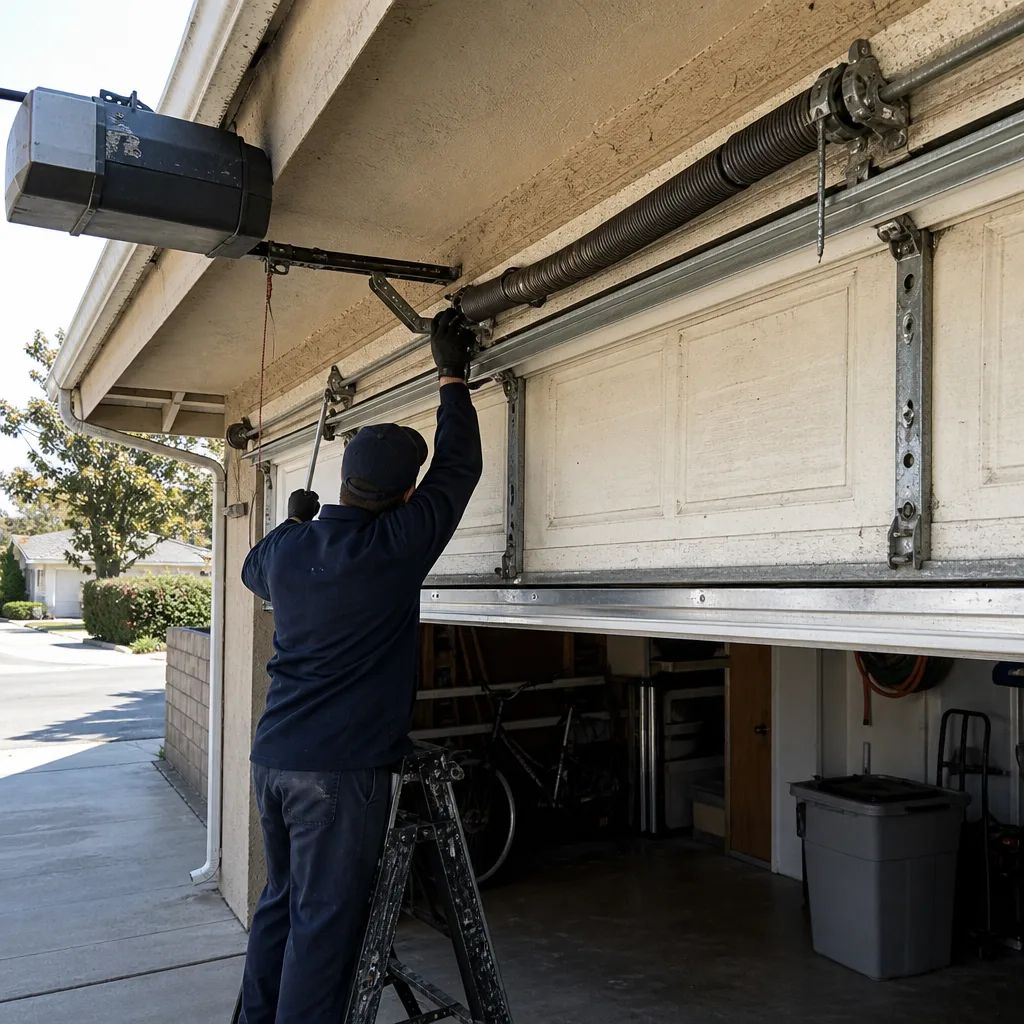 Before
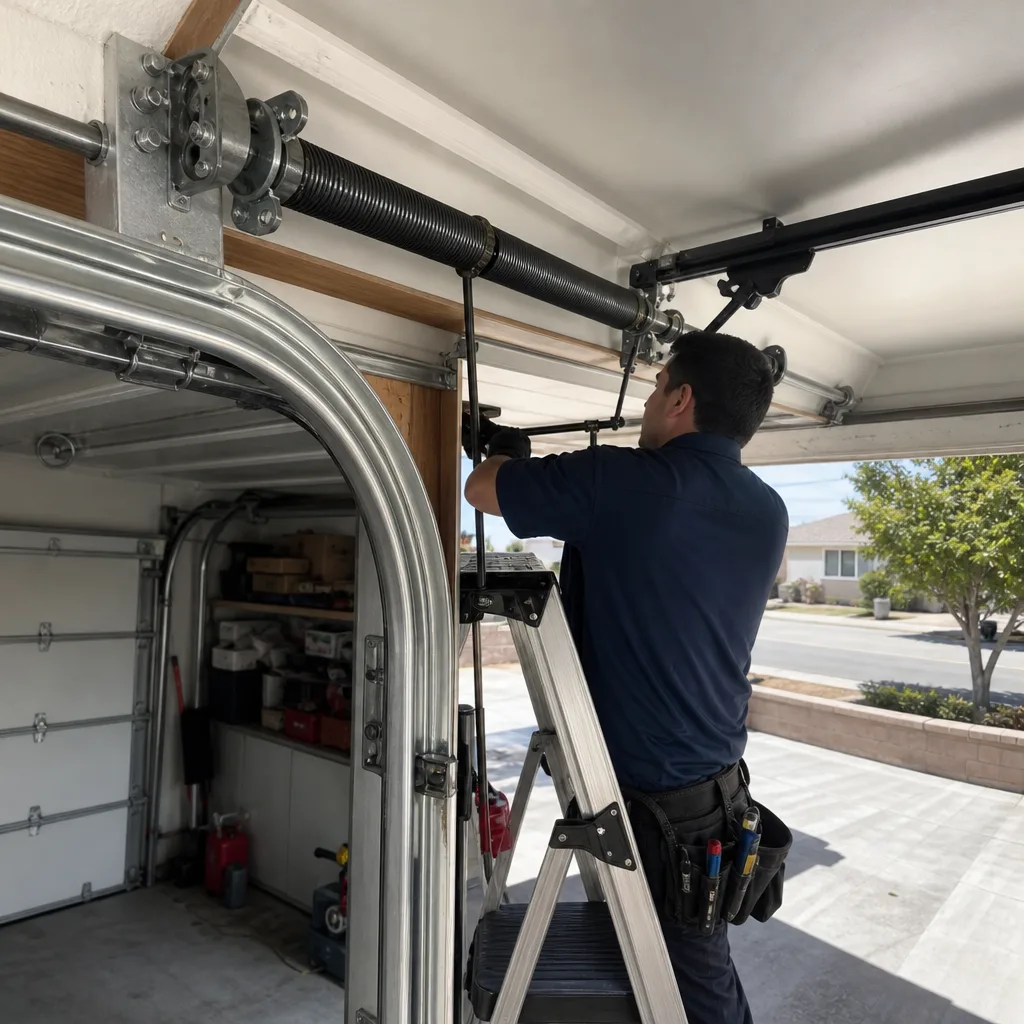 After
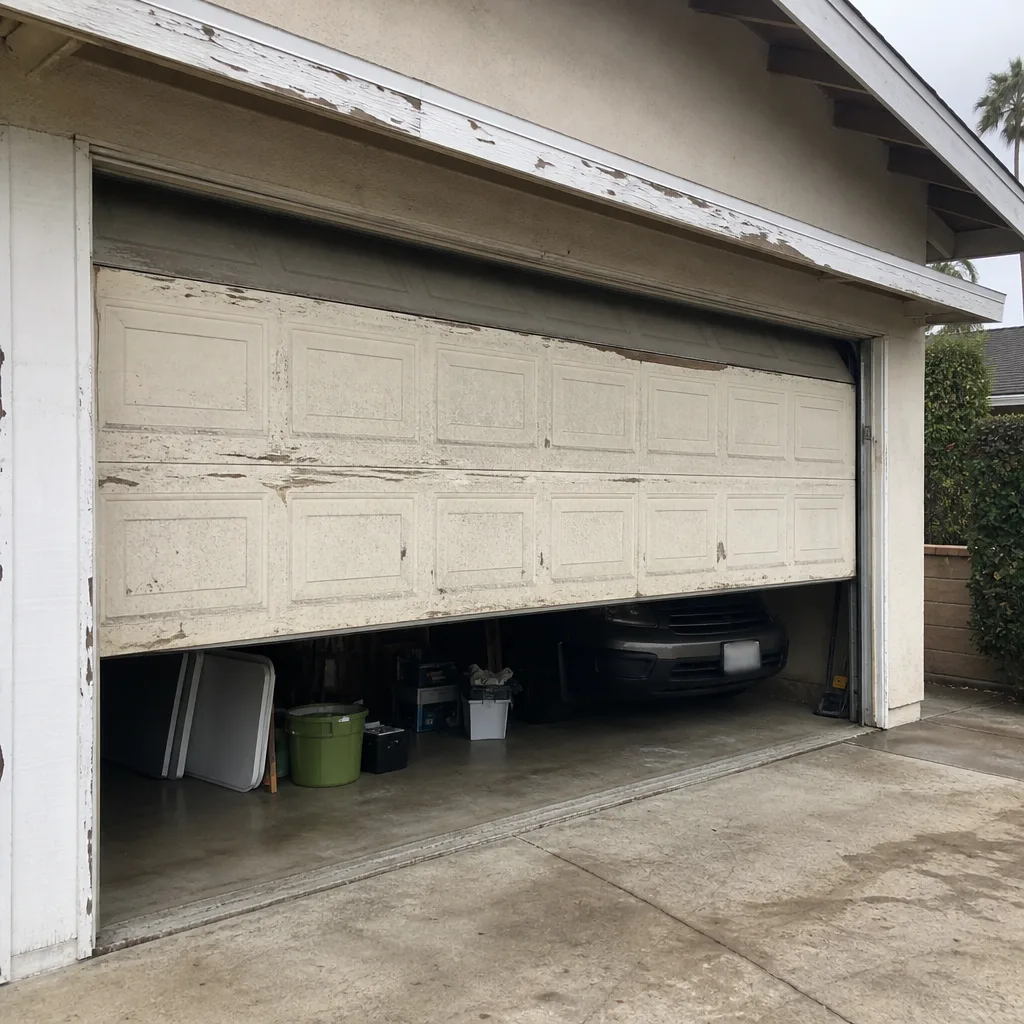 Before
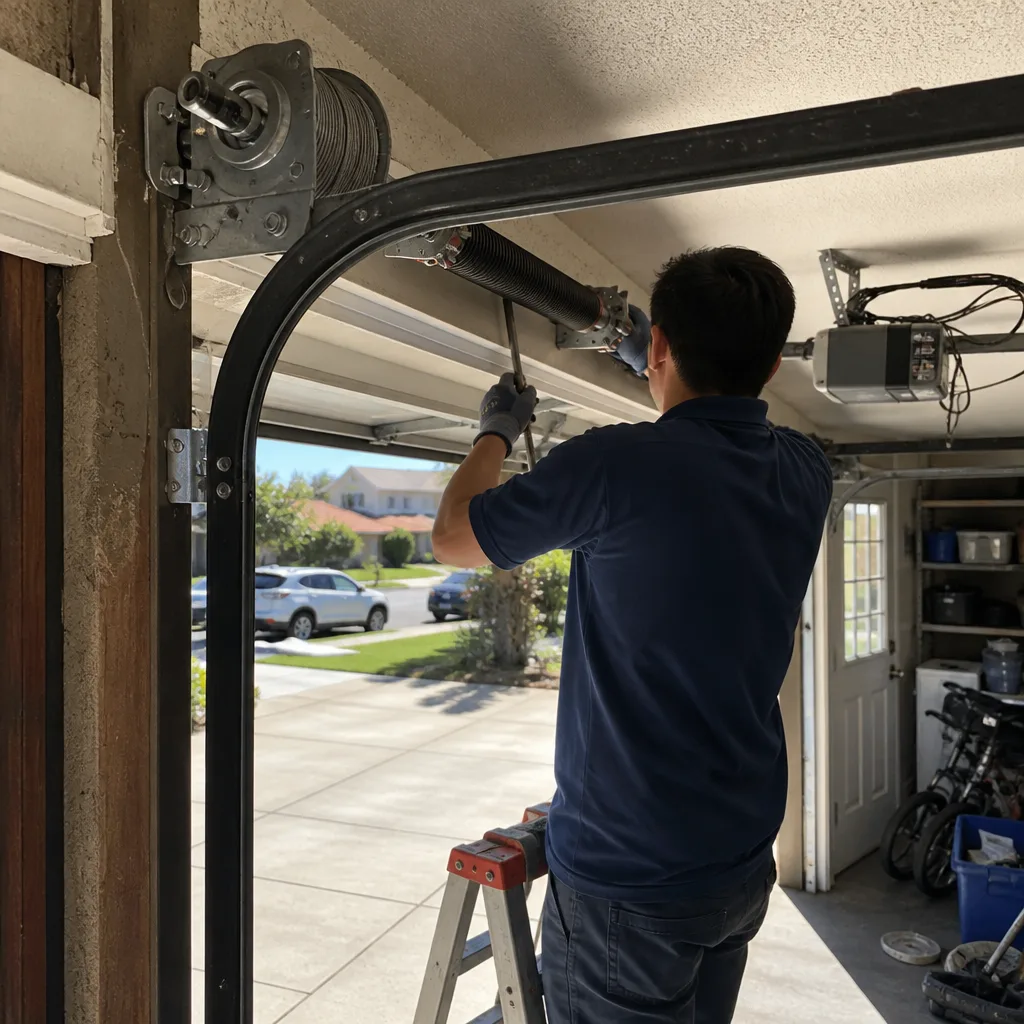 After
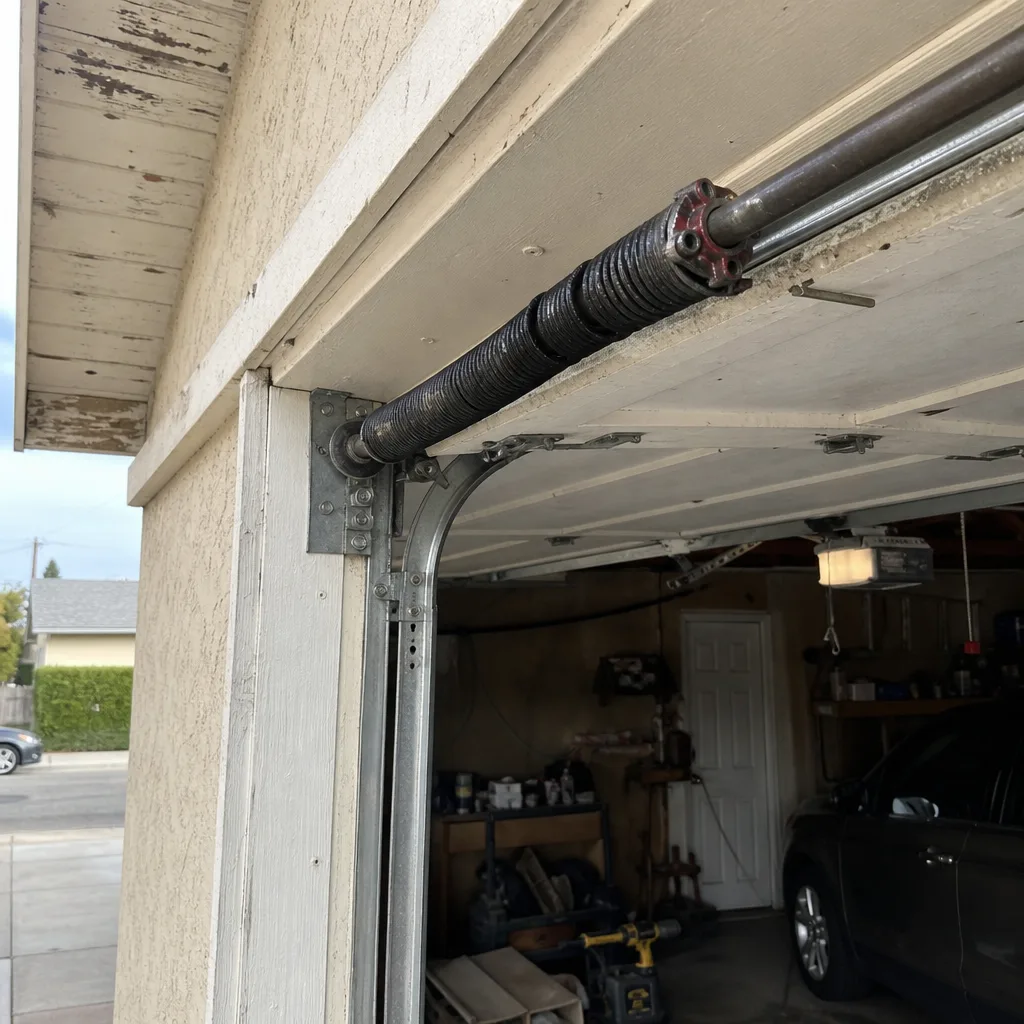 Before
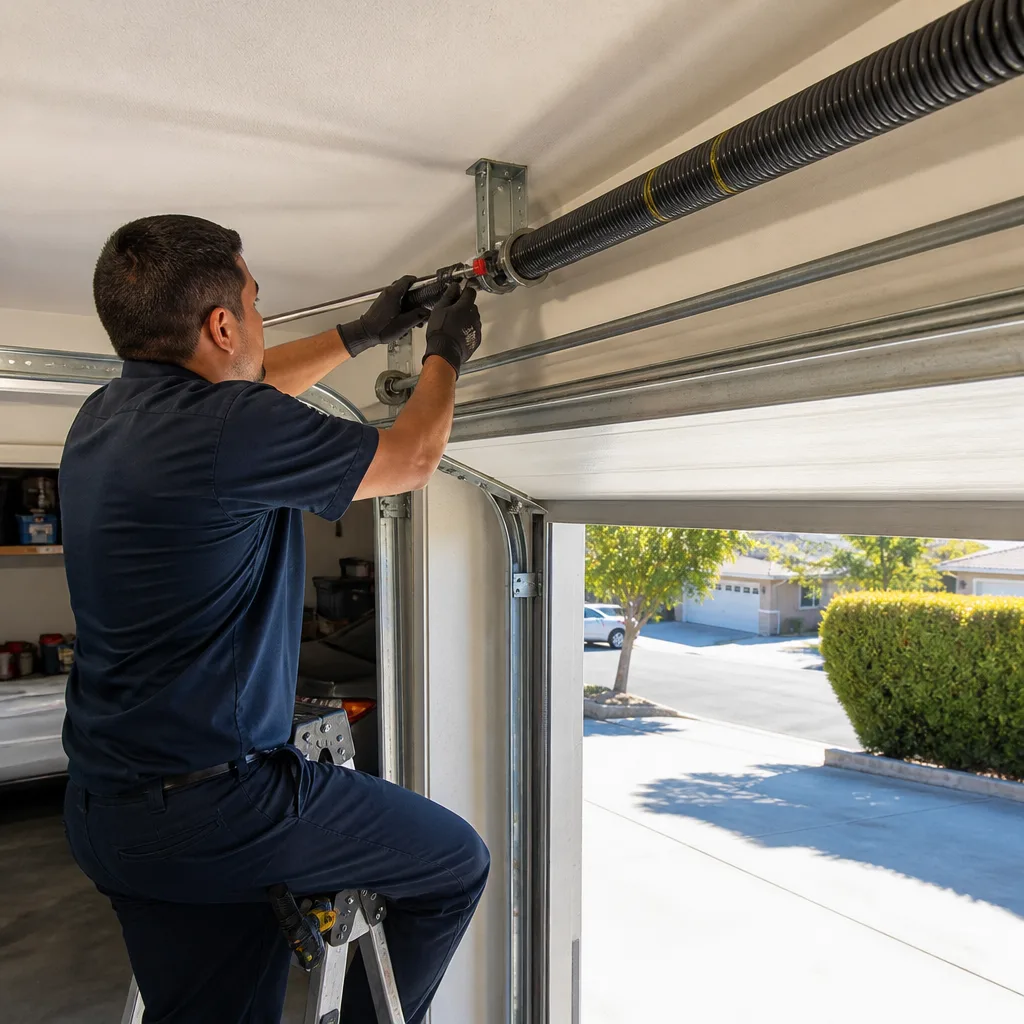 After